
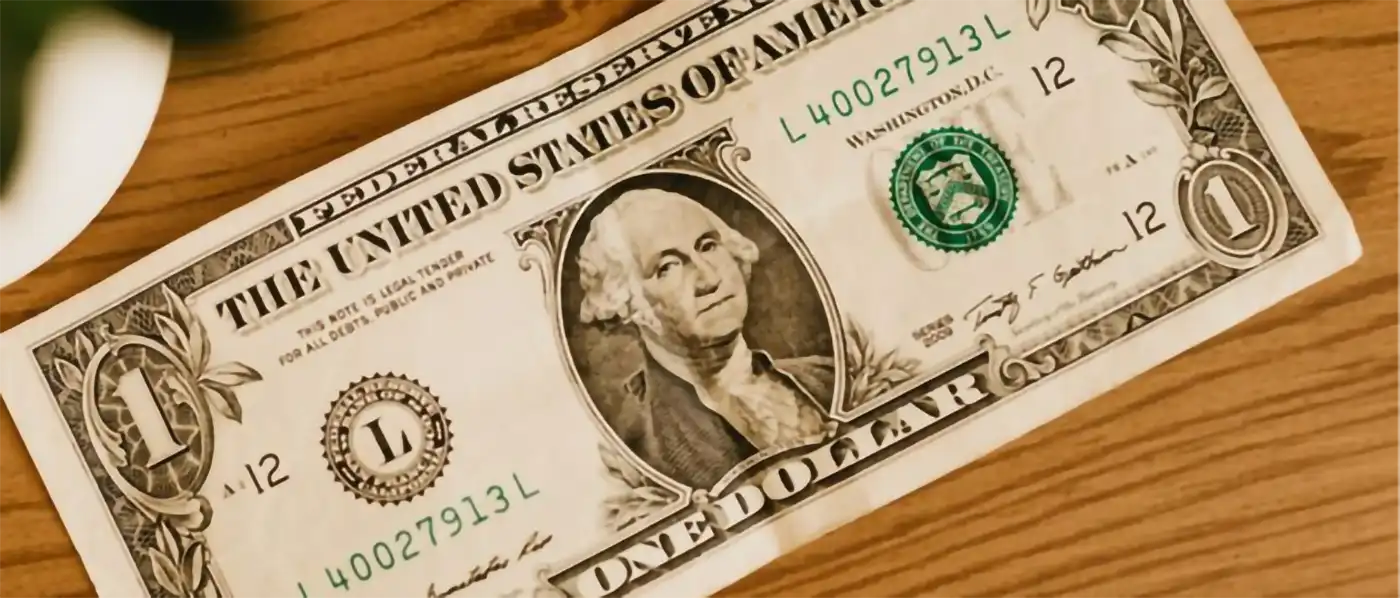
Maybe you’ve thought about “selling” your home to your adult child for a dollar. The legendary probate workaround. No gift, no gift tax, right? And you’ve passed on your home without probate. Easy peasy!
Wait a minute. Are you sure you didn’t just rack up a six-figure tax bill for your child when she decides to sell the home one day?
Turns out the IRS treats a $1 sale as a gift after all. This is because the government considers the home’s fair market value—not the price stated on the deed. So, for tax purposes, a $1 sale of valuable property is seen as a gift of the home’s entire real value, minus one dollar.
And one day, when your adult child goes to sell the home, the taxable capital gains would be based on the difference between the sale price and what you bought the house for, back in the day. Oops.
If the home never becomes your child’s primary residence, no home-sale tax exclusion will be allowed. Many taxpayers fall into the 15% long-term capital gains bracket, but the rate can be 0%, 15%, or 20%, depending on income. Ouch.
And there are further possible taxes, too, like state and investment income tax.
Should You Just Let the Home Go Into Probate? What Tax-Aware Options Avoid the Probate Court?
Say you just put the home in your will instead. When a deed is transferred upon death, there’s a “step up” in cost basis, so that the profit made on a home due to years of appreciation won’t be taxed as a capital gain. The gain that’s taxed is the difference between your home’s fair market value when it’s inherited, and whatever price the home sells for after that. This can save serious money in taxes.
Alternatively, most states allow the use of a transfer on death deed. This method is simpler than a trust. And here again, you’re in charge of the home during your lifetime. There’s no probate, and again, a stepped-up cost basis is allowed by the IRS. You can revoke this instrument with the proper form, or by selling the home.
Other tax-aware (but less flexible) options include the life estate deed and (in some states) the enhanced life estate or lady bird deed.
Even though it’s more complex, there’s always the living trust as an option. It’s actually an excellent way to transfer a major asset. When you pass away, the home would go to the named beneficiary, such as an adult child. No probate court. A step-up in cost basis, slashing taxable gains. And while you’re living, you can do anything you want with the home; your living trust is revocable. See an estate planning professional to receive guidance.
Find the right deed form on our website for your county and state. After creating a deed, attorney review is recommended.
A Real Sale—But the Deed Shows a Small Dollar Amount
Your deed might say you paid a dollar, or maybe $10, for your home. But you paid fair market value. In this case, what’s the meaning of the small-dollar value on the deed?
It’s understood that $1 or $10 or $100 on the deed to a home is symbolic. It simply means the deed holder paid something to acquire it. There’s no legal minimum for consideration.
Not disclosing the actual amount is a common practice. Remember that deeds aren’t payment receipts. Forms submitted to the county for the home’s tax assessment will include the real payment amount. Also, the price paid for a home will show up in the parties’ purchase and sale agreement.
Now, you might be asking, if the figure on the deed can just be a symbolic number, why does the amount need to appear at all? The reason involves classic contract law. A valid contractual agreement involves some form of consideration. As a legal term, that means something that has value is being given by each of the parties. This speaks to the legal point of a contract, as opposed to a gift. A contract involves a bargain in which each side gets and gives something.
This giving and getting at the same time is called mutual consideration. In the home purchase, the seller is offering to convey ownership, and the buyer is offering money. That is an agreement based on mutual consideration.
If there’s no consideration, then the title is transferred as an inheritance, as a gift, or some other form of conveyance without a sale. A gift deed can transfer property ownership to loved ones for free, typically written as “for love and affection.” Gift tax may apply if the gift’s market value amounts to more than $19,000 (as of 2026, per individual taxpayer) or $38,000 (for a married couple). And the recipient receives the giver’s tax basis, not a stepped-up basis.
In some cases, a deed that was transferred for no payment still shows nominal consideration (perhaps a dollar, or $10). It depends on the location and circumstances. What if the deed, to be legally valid, must involve consideration? Then a deed that’s freely given will show a small-dollar amount so that the title transfer won’t later be questioned.
Are there times when the actual consideration must be declared? Yes. In some states, if money is paid, the actual amount may need to appear on the deed. Learn more about whether a state requires the actual consideration written on the deed.
Now, as for a Plain Old Gift Transfer…
Deeds can be transferred as gifts (as opposed to nominal consideration) and a tax break called the lifetime gift tax exclusion may apply.
“In 2026, up to $15 million (or $30 million for a married couple) can be transferred to beneficiaries during a lifetime or at death,” Fidelity® says. This is under the federal lifetime gift and estate tax exclusion. As Fidelity further explains:
Unless an exception applies, and leaving aside any additional applicable deductions, any transfers during one’s lifetime or at death over the federal estate and lifetime gift tax exclusion amounts will be taxed at 40%.
Important note: This article does not replace professional tax or financial advice. Articles on this site provide jumping-off points for the reader’s own due diligence. Each person’s financial and tax situation is unique, and tax is a complex area of law. Consulting with a real estate attorney and accountant is strongly recommended. See a tax professional before transferring any major asset to your loved ones.
Supporting References
U.S. Internal Revenue Service via IRS.gov: Frequently Asked Questions on Gift Taxes (2026).
Fidelity.com: Understanding the Generation-Skipping Transfer Tax (Mar. 12, 2026).
Don Lair at 24/7 Wall St.: Suze Orman’s Warning to Parents – That Dollar Deed Could Trigger $520,000 in Capital Gains Tax (May 27, 2026; summarizing a segment from Suze Orman’s Women & Money podcast).
Jeremiah McGuire Real Estate Attorney: Why Does My Deed Look Like I Bought a House for $10? (Jun. 1, 2021; updated Feb. 2, 2025).
Deeds.com: Elements of a Deed – What Is Consideration? (May 22, 2026).
And as linked.
More on topics: State- and county-specific deed forms, Selling a home between family members, Gift deed to family member
Photo credit: Jonathan Borba, via Pexels/Canva.