
The price of a home is one thing. The interest rate on a mortgage is another. But there’s still more in a homeowner’s budget these days. Rising insurance costs have to be taken into account.
The classic 30-year, fixed mortgage can help keep a deed holder’s costs in check for decades. Yet home insurance premiums are forecast to go up nearly ten percent each decade throughout the next 30 years!
Winds of Change
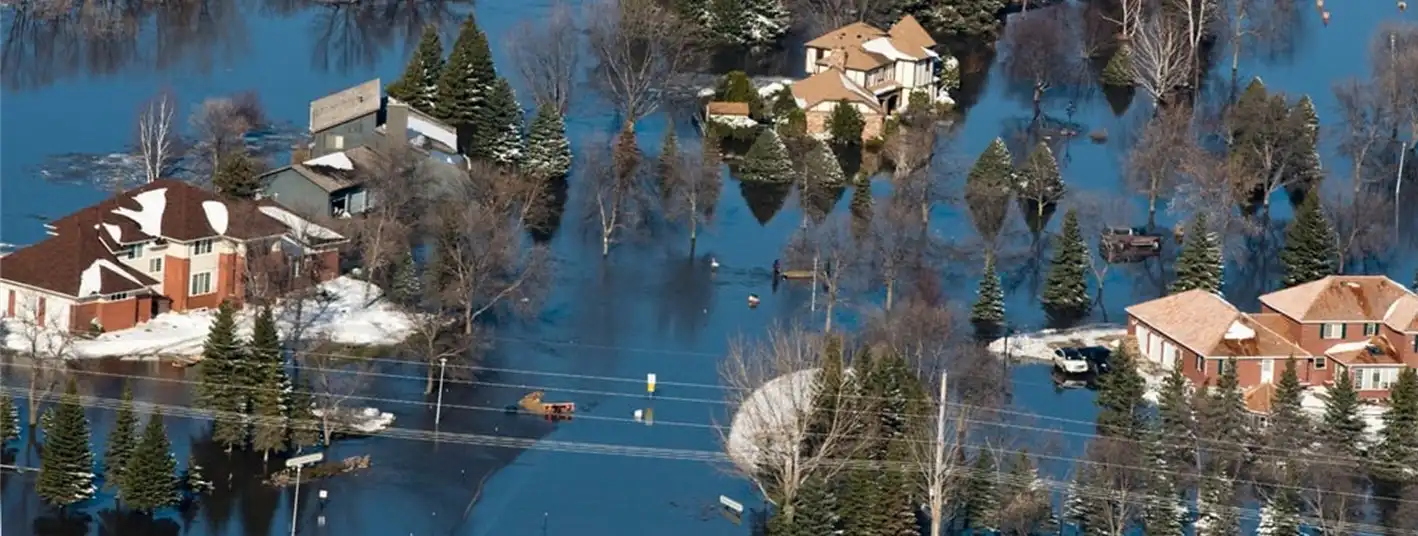
According to the latest LexisNexis Home Trends Report, climate disasters are hitting home. Expenses resulting from catastrophes now make up more than half of homeowners’ claims overall. A lot of the high-dollar claims relate to high winds and hurricane damage.
At the same time, explains George Hosfield of LexisNexis Risk Solutions, inflation keeps on pushing repair and replacement costs upward.
Homeowners used to think of their monthly insurance bills as predictable. (Renters pay too—these costs are folded into their monthly rent payments.) This is no longer the case. Insurance costs are now shaped by forces largely beyond the resident’s control.
The price to insure a home is rising at double the rate of consumer inflation generally. For most of us, income hasn’t kept up. Not by a long shot. So, how can a deed holder plan—and act?
Take a look at a few key considerations.
Move With Caution
First, insurance costs depend on where you buy your home. And the location effect is changing. Take Florida. It’s long been a desirable state to buy into. No state income tax, beautiful weather. Pelicans!
But now, tropical storms hit harder than they used to. And insurance companies are reacting to the rise in claims by charging more for policies, and shrinking their customer base in the state.
Do some research when choosing between places to live. Data from Bankrate® can show us why this matters:
- At less than $1K in premiums per year, Vermont and Delaware are at the affordable end of the insurance pricing spectrum.
- At over $6,500 a year, the insurance costs in Nebraska and Louisiana are at the high end of the national range.
- The average annual premium for a $300K Florida home is currently near $6K and rising.
- Colorado, Minnesota, Nebraska, and South Dakota rank among the highest in disaster claims.
- Colorado, Kansas, Nebraska, and Texas have some of the highest hail-related impacts. Most hail claims are in the catastrophic category.
As local climate factors continue to give companies reasons for premium hikes, watch where you’re going and what the locals are paying.
Maintenance Matters
The key point analysts are bringing up now is maintenance. This involves upgrading major features when necessary. Delaying upkeep, and figuring insurance will step up and take care of any serious problems, is not a viable plan any more.
Insurers increasingly base premiums on the condition of the structural features and systems of homes. That is: electrical wiring, plumbing, and roofs. The condition of these elements impacts not only cost—but whether a major insurance company is willing to issue insurance in the first place.
Roofs are especially important to insurers. The older the roof, the higher the premiums tend to be, anywhere in the country. No matter how good it might look, once a roof reaches a certain age, it’ll be considered uninsurable.
So, maintenance is no longer optional. It’s key to keeping a home covered at a reasonable cost.
Also note the importance of this point when choosing what coverage you need for which elements of your home. Focus on the structure, the roof, and the plumbing and electrical systems. Insure your assets for their replacement cost (as opposed to market value). Replacement is what you’ll need if you do make a claim.
Being Insurance-Savvy

Avoid small claims where possible, to keep costs down and your claims record as sparse as possible. Be aware that you’re building an insurance score through your relationship with insurance as well as credit. And insurance companies are paying more attention than ever to personal insurance profiles. Your payment history and claim history matter to companies’ decisions on how to price the insurance you buy. Is that always fair? Doesn’t seem so, but it’s the reality of how these companies operate. Customers with desirable histories may be eligible for discounted policies. In a nutshell: Avoid claiming for smaller replacement needs. Make claims only for major impacts, such as fire, wind, or water damage.
Being insurance-savvy means regular upkeep, adopting home features that reduce damage risks, and making careful decisions on how much coverage is needed, for which elements of the home.
So, giving your company a call every six months could pay off. Get someone on the phone (or in person) to go over your needs, concerns, and the professional’s recommendations.
Keep in mind, when you speak with the broker, that your coverage and costs will be defined by where you live, the condition of your home, and exactly the kind of focused planning you’ll be doing in your discussion.
When you work with a broker, you can get sound advice and local knowledge. A broker can check among the available insurers and let you know if a better opportunity for insurance exists where you are.
Ask your broker about additional ways to save. There are many—from leak-detection systems and electrical safety upgrades, to roof replacements and disaster mitgation features.
A broker can guide you in policy comparison, weighing in the coverage, the premium, exceptions and deductibles. The broker should also be able to tell you whether changing insurers could prompt any type of review that could change the terms of your new policy.
Generally, a broker does not bill the customers it serves. The insurance companies cover the broker’s costs.
Climate change is reshaping credit scores. Learn how rising risks will impact your creditworthiness in the years ahead.
Save Carefully
As you likely already knew, homes are rapidly becoming more expensive to insure. Unfortunately, this is not just a temporary trend. The factors pressing insurance costs higher are, as financial planner Robert Powell writes for TheStreet, “becoming more persistent and more severe.” The most impactful factors have to do with climate instability. In our times, letting things go and using insurance as a safety net isn’t a plan. Home maintenance and regular examination of insurance options is the better approach.
We hope this discussion has equipped you to get your best coverage, and at prices you can bear. This is an important part of managing household risks and costs. Update your to-do list today.
Supporting References
Regina Haas, media contact for LexisNexis®: U.S. Home Insurance Trends Report Highlights Rising Peril Severity as Catastrophic Claims Hit Seven-Year High (Oct. 23, 2025; press release announcing the release of LexisNexis® Risk Solutions’ 10th annual U.S. Home Trends Report). LexisNexis® Risk Solutions is part of Atlanta-based RELX.
Robert Powell, CFP, for TheStreet (registered trademark of TheStreet, Inc.): Home Insurance Costs Are Soaring. Here’s How to Fight Back (published Jan. 2, 2026 by The Arena Media Brands, LLC).
And as linked.
Photo credits: Teju, via Pexels/Canva, and Patsy Lynch for FEMA, via NARA & DVIDS (Public Domain Archive).