
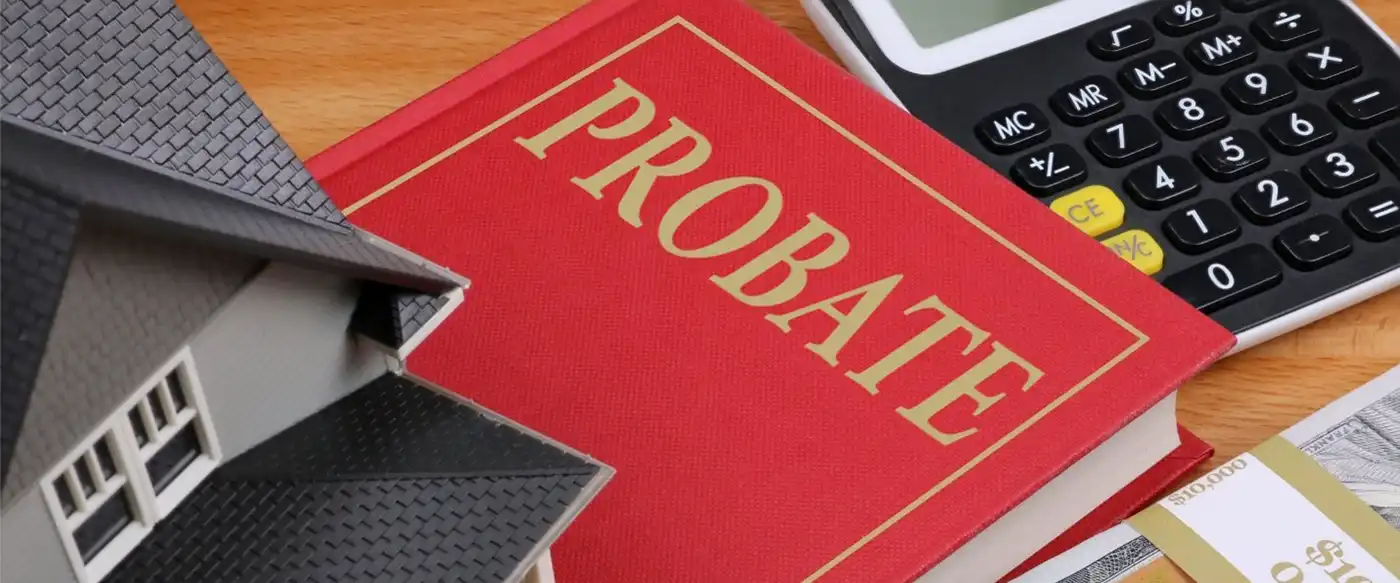
Estate planning. It’s a good thing to do. And when you do it, you want the plan to work, not to be scuttled by ghoulish fraudsters.
So, here’s the question for today: Could someone use fraudulent documents to swipe your home before your intended beneficiary is able to receive your deed?
A Deed Transfer in a Vulnerable Time
Homes are more valuable than ever. And fraudsters are looking for points of vulnerability, so they can siphon other people’s real estate value into their own accounts.
Bad actors can get valuable information about a deceased owner by scanning online death notices, social media, and public records. As we’re about to show you, they can use what they find to improperly obtain valuable documents. A fraudster might make up false documents by exploiting sensitive information to impersonate a deed holder or a beneficiary, or to manipulate someone with authority over an estate or the public records.
A forged or otherwise improper deed transfer can force a probate court or beneficiary to spend lots of time and resources in a legal action to recover a deed. The possibility of fraud after you pass might be an overlooked wrinkle in your plan to leave your deed to the person you choose.
A Grieving Son Gets an Unpleasant Surprise
Consider a case in point. This one unfolded in Queens County, New York.
A deed holder passed in 2019, leaving a house in New York and one survivor: her son. Two years after her death, his mother’s mortgage company contacted the son by email.
The message said the requested address change had been made. But, the son wondered, what requested address change?
He called the mortgage firm. The representative said there was no mortgage now. It had been completely repaid. By whom?
He went to his late mother’s house. There on the site were workers engaged in renovating the house and throwing away his childhood belongings. The scene became a topic of public conversation as an investigation began.
The District Attorney’s office would later announce two guilty pleas in a scheme to take a deed after death.
Home Sold Out From Under Sole Heir
One of the people charged in the case had pretended to be the son, the legal heir to the deed of the mother who passed away. This defendant talked to people at the mortgage company as though he were the rightful heir. This defendant and the other defendant worked together to forge a death certificate and falsify the affidavit of heirship.
This led to a new deed being created and recorded in the public records. The deed showed the home as being sold for $530K to one of the defendants’ companies.
By the conclusion of the case, the improper deed was voided and a new transfer created. The deed came back to the deceased person’s rightful heir. Cases like this are not easy, but at least this one was resolved more smoothly than most. That’s because the heir noticed the unexpected address change, acted quickly to find out what was happening, and then reported the issue before the home was sold yet again. Clearly, the message for heirs here is the importance of taking steps to secure and watch a home that’s left by an ill or deceased person.
Likely to Inherit a Deed? Be Prepared to Take Prompt Action Before This Occurs
While living, a deed holder needs to keep estate plans current. The deed needs to match its holder’s estate plan. Otherwise, the administrator will not be able to carry out the promises that the deceased person made. Also while living, the deed holder should be sure the people selected to inherit or act are on board and have accepted those responsibilities.
After a deed holder’s death, there will be a personal representative for the estate. If the deceased person left a will, that person is an executor. Otherwise, that person could be a court-approved administrator.
In any case, that representative, and any heirs, are well-advised to check up on the estate’s assets, particularly any deeds. Good stewardship of an estate may include the estate administrator taking the following actions:
- Safeguarding the physical home and belongings inside, and reading mailed letters.
- Watching for any unusual activity around the home or in the mail.
- Making sure the lender and insurer are aware of the estate.
- Keeping any taxes, dues, and utility charges paid.
- Checking the home on listing sites to be sure it’s off-market unless and until a sale process is deliberately started.
Do sign up for title alerts if the home’s county website offers a registration tool for these alerts. Many do. And do seek legal advice before taking any action with a home in a trust or estate.
Emerging Youngstown Fraud Case Highlights Key Paperwork
A Youngstown, Ohio, court is hearing a deed forgery case, just filed last month. Steve D. inherited the deed when his mother, the previous owner, died in 2022.
When his mother passed on, Steve applied to the county probate court to have a certificate of transfer issued for the deed. The probate court issued the new deed to Steve in late 2023. All good. Until April 2026. What happened?
Steve claims:
- Leopoldo P. falsified a general warranty deed to move the title from Steve to Leopoldo, in order to commit deed theft.
- Leopoldo P. forged the deed and didn’t even spell Steve’s name correctly. Steve asserts that the notary stamp is also forged.
- Leopoldo P. applied for a mortgage, using the home as collateral.
Therefore, Steve wants the court to order restitution from Leopoldo and several associates, by way of:
- A court declaration naming Steve, once again, as true legal owner of his late mother’s home.
- A correction to be placed in the county recorder’s and auditor’s records.
- A bar against Leopoldo P. transferring or borrowing against the property, ever again.
- Damages amounting to three times what the home is worth, punitive damages, and attorney fees.
Several residents of Youngstown have been named as defendants. The case continues.
Stuff Happens. Good Preparation Averts the Worst Effects
Fraud can happen, despite even the best-laid plans.
But deed holders and those who stand to inherit can take steps to protect a title through its most vulnerable times.
Create a plan for your deed to outlive you. Discuss the plan with the key people in your life. Tell them where the documents are, and who will take responsibility for what when the time to act comes. The people you pick to act for you should be on the ball, ready and willing to act in your estate’s best interests.
Important note: We offer you, our reader, this starting point for your own due diligence. Need individualized help? Consult professionals who are licensed in the state where the real estate is located.
Supporting References
Law Stein Anderson, LLP (California): Real Estate Transactions – Could Someone Steal a Home From Your Estate?
Sarah Robles for WFMJ Television Inc. via WFMJ.com (Youngstown, Ohio): Lawsuit – Youngstown Couple Alleges House Deed Transferred Using Forged Document (Oct. 16, 2026).
And as linked.
Photo credit: Nick Youngson via Pix4free / Picpedia.org, licensed under CC BY-SA 3.0.