

Fidelity National Financial (FNF®), the leading U.S. title insurance and settlement services company, will now integrate a biometric security system. FNF is partnering with CLEAR (Clearme.com), the airport security group.
The goal? To protect home buyers, sellers, and agents from impersonation, malicious messages, and wire fraud.
A safe deed is a wonderful thing. Then again, here’s an example of how we keep handing more personal data to companies. Is the tradeoff worth it? See what you think.
How the New System Works
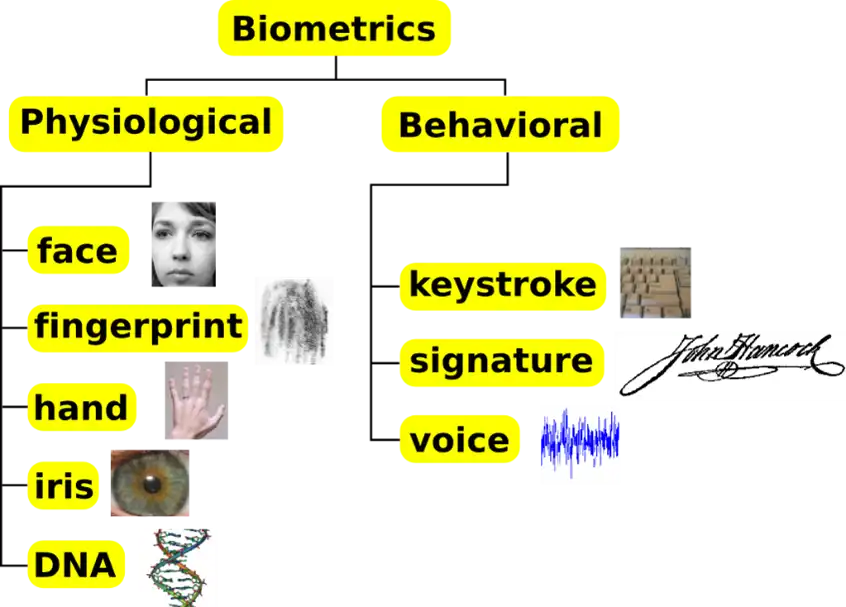
The collaboration meshes the CLEAR1 platform with FNF’s inHere closing system. FNF says biometric identity verification increases transparency, making title and escrow activities safer. It can sniff out people who pretend to be sellers, buyers, lending professionals, or real estate agents.
CLEAR’s chair and CEO, Caryn Seidman Becker, has said Clear Secure, Inc. is “thrilled to partner with” Fidelity National Financial because a deed transaction is an “important milestone in life and people deserve to feel safe every step of the way.”
FNF is also deploying warnings through its platforms to alert participants of suspicious activity. FNF’s inHere system avoids the need for email communications. Email is a frequent channel of falsified communications.
FNF is responding to customers’ fears of fraud involving the biggest purchase many of us will ever make. Wire fraudsters and impersonators are seriously impacting buyers and sellers. Regulators, county officials, and title companies have all been looking at how to obstruct the swindlers from gaining access to money or placing claims on people’s deeds. Swindlers often use email channels to pretend they are home sellers, and to redirect wire transfers by sending out falsified instructions. Integrating biometrics with the FNF inHere platform will add to the system security when people carry out closings.
In short, FNF is introducing a new industry standard for deed transfers and mortgage closings.
Clear Has Also Begun Working With Docusign®
In April 2025, Docusign began working with CLEAR biometrics. Now, Docusign customers may set up their accounts to include their biometrically checked identities. The point is for people to keep their accounts secure and have the ability to send documents that are verified as bearing their real signatures.
According to Docusign, the tool takes its own Intelligent Agreement Management platform and couples it with CLEAR’s biometric verification system. Using CLEAR’s biometric identity verifications for Docusign® is a significant move for a company that plays a major role in real estate.
Many real estate professionals and local deed recorders are concerned with the rise in fraud that exploits digital systems. Bad actors continue to move at the cutting edge of technological innovations. Data security is getting trickier, say title experts, in a time of generative AI and deepfakes, and the exploitive use of email links and barcodes or QR codes.
Real estate companies are using “Docusign ID verification with CLEAR” to do a number of things. They are:
- Verifying identities of potential employees.
- Averting breaches of company accounts and networks.
- Using facial recognition technology in conjunction with Docusign’s digital signature service.
Financial analysts have observed the growing opportunities for technology companies to sell real estate and financial services reps on security innovations. Biometric technology is one way real estate companies can signal to the public that they value and assure trust online.
First American® Title Insurance Company: Also Refining its Systems
The First American Title Insurance Co. has now integrated Intellicheck advanced identity verification within its fraud prevention toolbox. Now part of the company’s AgentNet platform, it’s a specialized tool for agents who insure titles. It checks identities of the parties involved in transactions right from the beginning of a deed transaction.
According to Steve Vincini at First American, deed transaction fraud “continues to grow, making early identity verification an essential safeguard for our industry.” The Intellicheck Identity Service is recognized as a leading suite of tools for facial recognition, ID barcode scanning, background checks, and risk analysis.
The American Land Title Association confirms Vincini’s point, and goes further. It notes that fraud risks are elevated in many industries.
Online crimes have resulted in nearly $14 billion worth of losses last year, says ALTA. The association cites a recent Internet Crime Report published by the FBI.
Biometrics Mission Creep?
For generations, the job of keeping deed transactions safe from impersonation belonged to the local notary public. The Covid-19 pandemic of 2020 changed the process radically.
Remote online notarization kept deed transfers moving through and beyond the lockdowns. States worked remotely as an emergency response. But title companies became accustomed to remote transactions. Just last year, ProofSM launched its AI-driven fraud detection tool known as Defend. Proof is a service mark of Notarize, the remote online notarization firm.
In short, digital signatures and witnessing — once met with skepticism — are now the norm.
The escalating fear of online fraud has pressed us to keep handing more personal data to companies. This is a double-edged sword. The title industry’s new embrace of biometrics highlights the current trend to add to situations in which people allow physical scans of their bodies.
CLEAR has already risen as a major actor in medical and transportation settings. It’s connected with Uber, where its system plays a role in rider ID verification. You might have also spotted it at access points to major events. Its arrival into deed transactions signifies a notable expansion of biometric sprawl.
Nonprofits in the civil liberties field have “warned that biometric systems can introduce risks if safeguards are not transparent and robust,” according to the editors at ID Tech. Meanwhile, Clear Secure, Inc. has been gaining investors, positioning biometrics as a profit driver. CLEAR CEO Caryn Seidman Becker says the company’s ID identification verification platform will spread throughout industries — wherever AI deepfakes and online imposters may lurk.
The developing trend indicates that an ID document no longer suffices as identity proof in our digital age. At Deeds.com, we’ve already been using biometric identity verification for over two years. Our early adoption reflects the same commitment to fraud prevention that is now driving larger industry players to roll out their own biometric tools.
Supporting References
The American Land Title Association (Washington, D.C.) via ALTA.org: Industry News Fidelity National Financial Inc. (FNF) Partners With CLEAR to Fight Real Estate Fraud (Sep. 9, 2025). See also ALTA.org: Industry News – First American Title Expands Suite of Fraud Prevention Tools (Sep. 9, 2025).
Jonathan Delozier for HW Media, LLC, via HousingWire: FNF Partners With CLEAR Secure on Real Estate Fraud Prevention (Sep. 10, 2025).
Chris Burt for BiometricUpdate.com: Clear’s Biometric B2B Platform Reach Expands With Docusign, Real Estate Firm Deals (Sep. 19, 2025).
ID Tech Editorial Team, via IDTechWire.com: Fidelity National Financial Partners with CLEAR to Add Biometric Security to Real Estate Transactions (Sep. 15, 2025).
Simply Wall Street Pty Ltd: Clear Secure (YOU) Jumps Seven Percent After Biometric Partnership With Fidelity National – Is Real Estate the Next Growth Driver? (Sep. 14, 2025).
Ian Thomas for CNBC LLC, part of NBCUniversal, via CNBC.com: Clear CEO Caryn Seidman Becker on Future of Identity Verification Technology in Daily Life (Jul. 2 2025).
CLEAR® Blog, via ClearMe.com: CLEAR vs. TSA PreCheck®: What Are the Differences? (Mar. 14, 2025).
Deeds.com: Here Comes the First AI-Powered Fraud Busting Notarization Platform (May 18, 2024).
And as linked.
More on: Titles and deeds – the digital shift
Image credit: Creative Art, via Freepik (licensed as: free); and Alessio Damato, via Wikimedia Commons (licensed under CC BY-SA 3.0).