

Redfin recently took a look at the twists and turns in deed transfer trends since 2019, before the pandemic began. The company found some striking geography stats.
Water is moving people. Flood-Prone America Is Seeing More People Move Out Than In, Redfin has announced.
The Boomerang Effect: Reversing the Pandemic Trends
Redfin’s analysis shines a spotlight on U.S. counties with elevated flood risks.
Mostly, these are sun belt counties. Their core cities — chiefly Miami and Houston — are losing tens of thousands more residents than they’re gaining.
Many of the people who left are part of the “boomerang” effect. That is, they may have moved to flood-prone states in the pandemic, and have since had a change of heart.
During the pandemic, a segment of the U.S. population figured it would be a great time to move to sunnier zones. A classic retirement goal! Why not get a jump on it, given the sudden flow of opportunities to work remotely?
So they moved. And Miami became more expensive than ever. Its new residents may have been taken aback by this. And then there’s the heat, the sea level rise, and the tropical storms. Redfin’s analysis finds that the Florida boomerang effect is mainly climate-related.
There were other pandemic movers, too. And they found other sun belt destinations. For those who went to Texas, there are a range of reasons, now, to move again. Some of these moves involve climate and weather, mixed with other factors.
Texas sellers might leave in order to buy bigger homes. Or to find better affordability. Or towns they think they’d prefer. Some are fed up with the high property tax rates. And, like Florida, Texans pay above-average home insurance prices.
Redfin quotes one of its affiliated agents who is representing a number of sellers who moved to Texas from the West Coast during the pandemic. Houston isn’t what they expected, reports the agent. They’ve grown weary of the extreme heat or the politics or both.
Southern Texas has also experienced wildly erratic weather events. The freeze of 2021 shocked residents and brought with it an abrupt and massive power crisis.
The Top 10 Places to Sell Now Include Miami, Houston, and Brooklyn
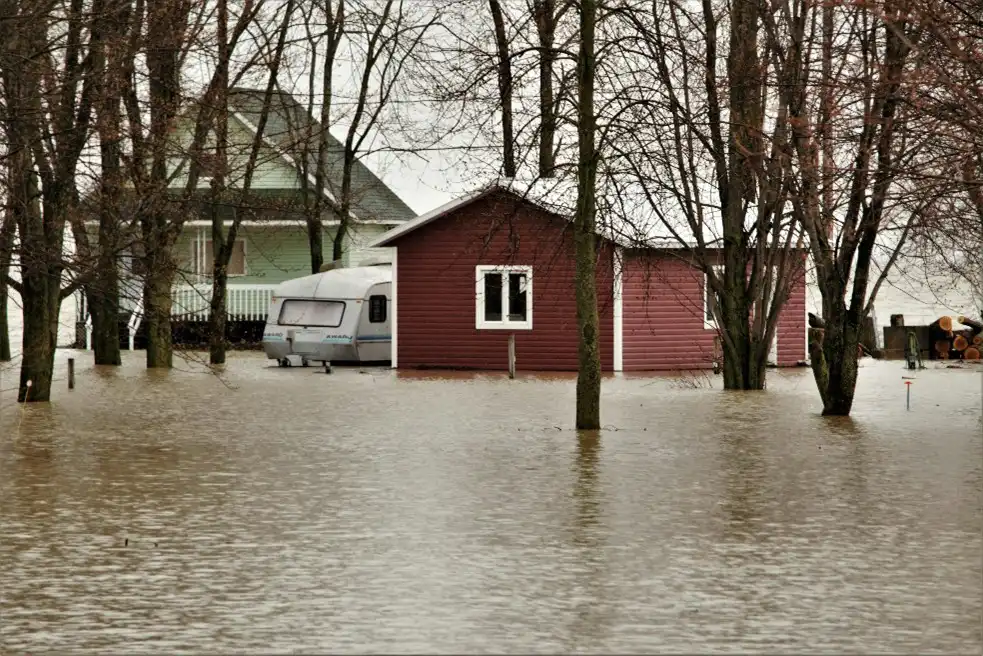
Major hubs along coasts or tidal rivers are prominent in the top ten list for people moving out. These metro areas with the highest outflows include:
- Miami-Dade County, Florida. More than a third of Miami-area homes are in the high-risk category for flooding. And 67,000 more residents left than entered in the past year. More people left the Miami real estate market than any other flood-prone place, Redfin reports.
- Houston and Harris County, Texas. More than 31,000 Harris County residents left than entered in the past year. Notably, Houston has long had the nickname “Bayou City.” About a third of Harris County homes are at high flood risk. Every one of them has a high heat risk.
- Kings County, New York City. More than 28,000 Brooklyn and other Kings County residents left than entered in the past year. Thirty-six percent of Kings County homes, according to First Street, are at risk of flooding.
- Orleans Parish (New Orleans), Louisiana. Notably, this metro area is still in the top ten for outflows. It’s the riskiest place in the country for flood risk. Nearly all New Orleans area homes face high flood risk.
For a visual representation, you can see Redfin’s U.S. flood risk map here.
How Affordability and Climate Risk Are Related
Redfin agents in flood-prone areas say a seller might name climate risk as one reason to move. But a typical homeowner’s reasons are mixed. Affordability is intertwined with climate risk. Insurance premiums get more expensive in areas where flooding becomes frequent. Condo boards have to pay more for their master policies, and they’re passing the rising costs along to the unit owners.
Redfin quotes a Miami agent who has seen his annual home insurance costs surge to $6,700 — from under $2,000 just two years back. Florida’s governor has come under intense criticism for subsidizing the private insurers while at the same time constructing obstacles to stop residents from suing the companies.
If the insurance hikes weren’t enough, Florida’s major metropolitan areas have seen extraordinary increases in their property tax bills over the past five years, Redfin’s figures show.
Redfin real estate agent Dawn Liedtke knows the Pinellas County market. That’s the home of Clearwater and St Pete. It has the densest population of any of the Florida counties. But this is changing, as so many had to move from their flooding neighborhoods in the aftermath of Hurricane Helene in late 2024. Home insurance premiums tripled, some residents report, from 2023 through 2024.
Some St Petersburg residents left Florida. Others moved in droves to nearby Pasco County, just north of Tampa. (Redfin notes that 18% of homes face high flood risk in Pasco County—just half of the percentage in Pinellas.)
Redfin’s analysis uses figures from the U.S. Census and climate risk scores provided by First Street.
Where Inbound Migration Remains Strong—Even Where Risks Are High

Miami has long been known for its steadily growing population, Redfin notes. Miami-Dade County’s population has for years been outpacing the growth of the U.S. population as a whole. This is not just about growing families. International buyers have always arrived in Miami at a higher rate than anywhere else.
Even now, many flood-prone counties in Florida are still seeing a lot of people moving in. In some of these counties, more people are moving in than leaving. Last year St Johns County, Florida, home to the historic coastal city of St Augustine, grew. St John’s welcomed new residents at a higher pace than any other flood-prone Florida county.
Other counties that are taking more people in than they lose are Volusia County, which contains Daytona Beach, and Fort Bend County, near Houston.
What are these popular counties doing that’s so appealing? Redfin says they’re generally offering more housing that buyers can afford. The ten counties that are losing the most residents versus the number they gain have a median home price of $437K. Compare that to $376K, which is the median for counties that have the highest net inflows of residents.
Redfin’s chief economist, Daryl Fairweather, brings up another part of the whole dynamic, returning to the effect of international buyers. Many people who leave flood-prone markets are selling to immigrant buyers. In times gone by, immigrants would evacuate to storm shelters during dangerous weather. But harsh immigration policies are leaving some immigrants staying in risky homes because they’d prefer to meet a storm than immigration authorities.
A Miami agent told Redfin that buyers used to flock to Miami from Venezuela, Colombia, Brazil — Canada, too.
Now, the agent says, they’re no longer coming.
Supporting References
Lily Katz and Xu Yingqi at Redfin.com: Flood-Prone America Is Seeing More People Move Out Than In for the First Time Since 2019 (Nov. 6, 2025; citing a May 2025 Ipsos poll commissioned by Redfin and other sources).
Florida Department of Transportation: Pinellas County Freight and Logistics Overview (PDF).
And as linked.
Photo credits: Perfecto Capucine, Jess Loiterton, and Serge Lavoie, via Pexels/Canva.