
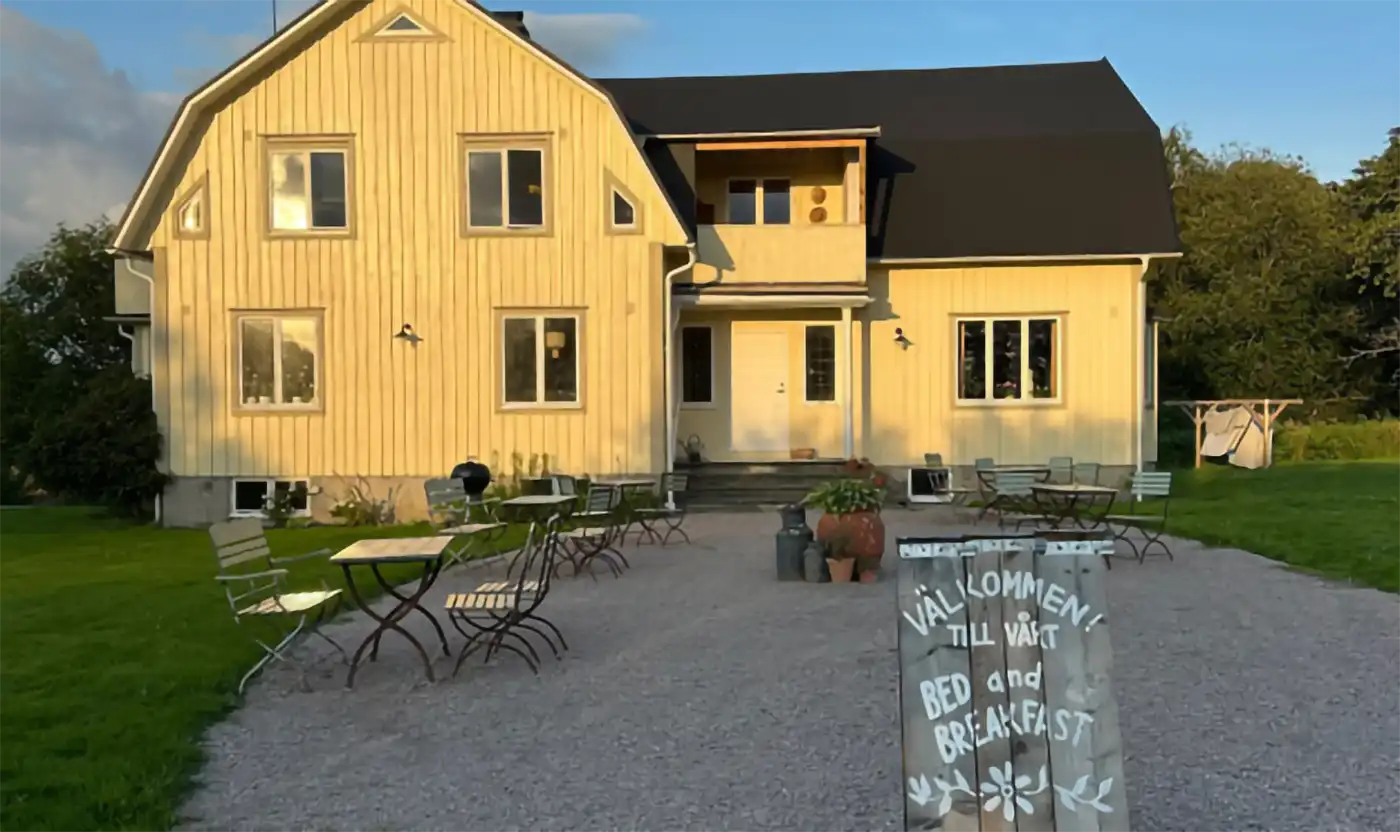
Have you been mulling over the prospect of renting out part of your property on a home-sharing platform? Many deed holders use platforms like Airbnb and Vrbo® to rent out backyard cottages, guest rooms, and vacation homes.
Using the “air mattress bed and breakfast” model, you can offer rooms for overnight bookings, get exposure online, and have confidence that your setup meets applicable laws. This is a special kind of investment project. It’s certainly not passive income. You might rightly wonder if it makes sense to do in 2026.
So, let’s take a look at various factors in play today, with a focus on the common drawbacks and potential rewards.
Looking for Short-Term Rental Income in 2026? Newbies, Take Note.
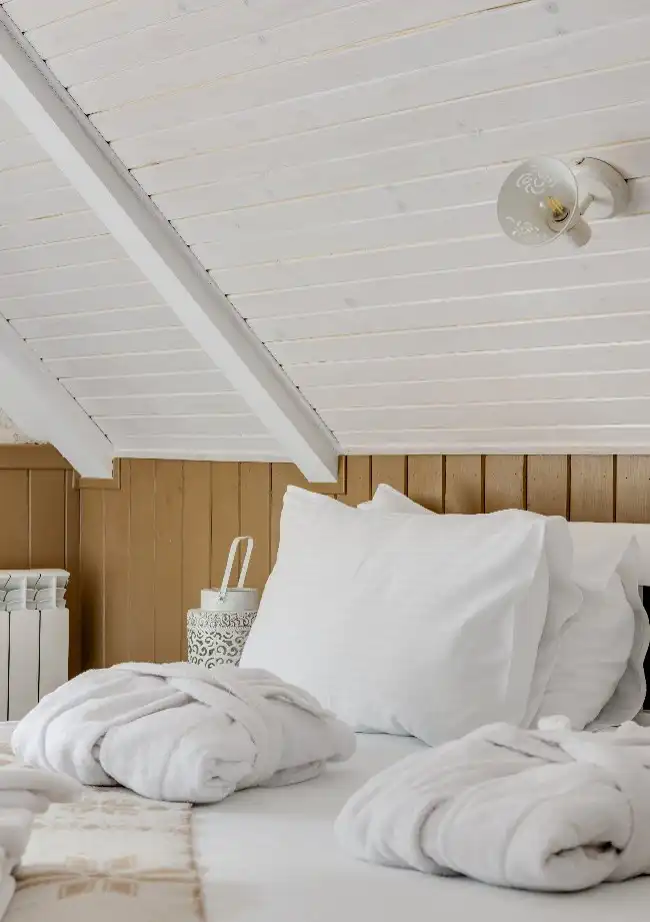
Follow this topic online, and you might find long-time home-sharers trading in their short-term rental (“STR”) income for something a little less hectic. Some are moving in the direction of full-month stays, or regular long-term rentals. Indeed, towns and cities are discouraging homeowners from behaving as hoteliers. For example, some locations have established one-month minimum stays. So, homeowners won’t be making as much money per night. Granted, this could actually be good for homeowners. After all, longer-term renters cover utilities and stick around during the off-seasons. And they don’t require new sheets and towels and cleanup on a regular basis. So you might want to embrace that, and consider what you could gain by offering traditional, medium- to long-term rentals.
Speaking of rules, if your property falls under local regulations that ban STR listings, well, that’s that. But if your area allows you to earn income through home-sharing, should you go for it?
Consider whether you’re up for the challenges, such as:
- People coming and going.
- Vacancy time.
- Decorating, washing, fixing, and replacing the contents of the rooms.
- Phone calls and texts, 24/7, and interacting with messages from the home-sharing platform.
- The need to keep things safe for kids.
- The need to protect your home from scam listings.
Will your property’s earnings make all that worthwhile? The stakes are raised in today’s economic context. In a challenging economy, people travel less and spend less.
Plus, short-term rentals involve a long list of expenses. What eats away at profits? The costs of financing. Gas and electricity. Taxes and insurance. Flooring, paint, windows, doors and screens. Maintaining toilets and the bath or jacuzzi. Linens, washing, cleaning. Fixing the things people break; mailing the things people forget. Locks and security. The fridge and its contents. Yard work, pool maintenance. The costs of accounting and filing paperwork.
Then there are the fees for hotel-style listings. Local governments and home-sharing platforms alike have been hiking their permit and platform fees. The platform company takes a cut of the booking charges. It also takes out taxes and administrative support fees.
There are plenty of potential rubs for the newbie. So, unless your property has remarkable character, the benefit of owning an STR may be slim.
Now, let’s look at the potential bright sides.
The Case for Owning a Short-Term Rental Property in 2026
Assuming local rules let you have one, there are promising scenarios for running an Airbnb-style rental property—even in the 2026 economy. Here are just a few examples:
You have an accessory dwelling unit (guest house) beside your home. Perhaps you set it up for a relative to live in, and it’s no longer needed for that purpose. In that case, exploring the short-term rental concept could make sense. If all goes as planned, you’ll get income from your guests—maybe enough to take care of your mortgage payments. And your guest house will continue to be a desirable feature on your property. Charming guest homes in residential areas can prove to be popular.
Experienced STR hosts also do well. They’ve had time to build a following and learn from beginners’ mistakes (their own). After several years in the STR business, a deed holder learns how to automate the clerical side of things, and might pull in enough cash to pay for a property manager.
Tourists draws are already saturated where STRs are allowed. But maybe your property is near a corporate campus, airport, or other key development without enough hotels nearby.
If you’re new to the scene, refer to STR information hubs such as AirDNA and Furnished Finder to scope out the territory and figure out your local market. But take note: Many owners, their families, and their businesses use their own properties regularly. So, be wary of the return-on-investment calculators. They might give you figures that won’t match your reality.
Giving It a Shot: How Does a Deed Holder Get Started on Short-Term Rentals?
Here’s a basic checklist for those considering taking the leap.
As a matter of due diligence, an owner should consult a financial adviser and/or a real estate attorney before making new investments in real estate. Even if it’s just a sole proprietorship, the property owner may want to form a business for tax and liability reasons. And it’s important to set up a separate bank account for business purposes. The Small Business Administration has more information on forming businesses.
Now, for the bureaucracy. Read about Airbnb licensing here. Owners may also need to pay hotel taxes to local and state agencies. And is the proposed rental property part of a condo or homeowners’ association? Do restrictions on overnight accommodations appear in the Covenants, Conditions, and Restrictions (CC&Rs)? Will existing rules on pets or kids conflict with the overnight guests’ expectations?
What does the township have to say? Cities, like associations, might have hashed out rules that limit noise or party homes, establish waste pickup and parking requirements, mandate neighbor notification, impose fees or extra taxes, demand insurance certificates and owner contact information… Etcetera!
The owner who can accept all applicable limits and rules needs to choose a short-term rental platform, and create an online profile. This involves uploading official IDs and financial information. Then the homeowner registers the rooms and prices per stay. The rental properties will need pictures and descriptions.
If a mortgage is needed, will the rental income cover it? Will a loan even be available? Some brokers offer mortgage loans for well-sited STR investments. Elevated interest rates apply. Aspiring borrowers are well advised to call the Small Business Administration and ask about SBA 7(a) loans. The Airbnb Community Center tells more about investing in the STR scene.
Finding the Win-Win Scenario: Sometimes, Everything Just Clicks
If you’re looking to invest in income-producing property, your best bet could be to find a place where you and your friends and family would love to be. Rent it when it works, enjoy it as you wish. A profit could be a bonus. Benefit from the real estate appreciation, tax breaks, and the pleasure of enjoying occasional getaways. Welcome the learning experience.
In a few years’ time, you’ll be advising hopeful investors. But of course you’ll let them know, just as we do: what’s written on the internet is not financial advice. For case-specific guidance, consult your finance professional.
Supporting References
Sam Kemmis for NerdWallet™: Airbnb Is on the Outs — Or Is It? As Airbnb’s Once-Lauded Vacation Rental Model Begins to Go Stale, Who Disrupts the Disruptor? (updated Dec. 22, 2025).
And as linked.
Photo credits: Carina Maigler and Max Vakhtbovych, via Pexels/Canva.