
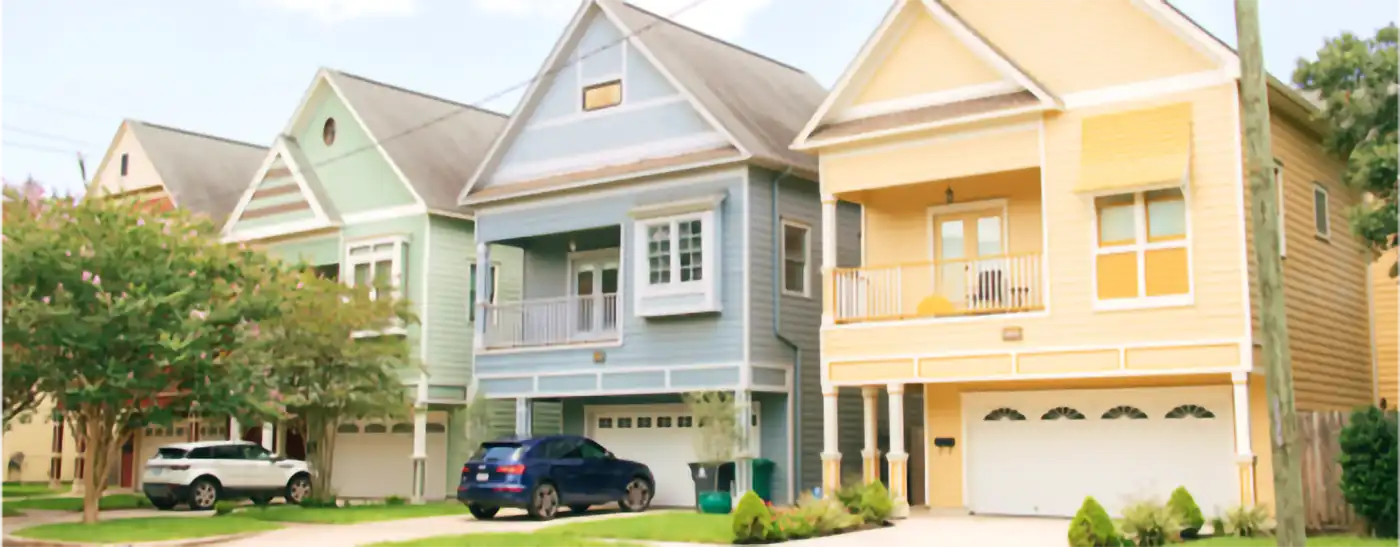
Donald Trump just declined to sign the bill as scheduled. Trump said he would not sign the bill until Congress acted on the SAVE America Act.
Speaker Mike Johnson says the bill will get Trump’s signature within 10 days. But White House press secretary Karoline Leavitt advertised today’s bill signing just this Tuesday. The abrupt reversal raises an obvious question: what changed?
Below, please find what we would have published today. We regret that this bill, after so much excitement when Congress finally accomplished the feat of agreeing on it, was not signed.
Will it be signed? Who knows?
Read on for the news that should have happened today, but did not.
What the 21st Century ROAD to Housing Act Would Do If Signed.
It got through the House.
As we’ve reported before, this legislation has taken a ton of battering in Congress up until this week. Now, it’s the law of the land.
Pop the Corks for “A Rare Bipartisan Accomplishment”
The New York Times heralded the Senate and House approval of the new housing bill as “a rare bipartisan accomplishment” once the House passed the major housing bill on the 23rd of June 2026.
The Times pointed out the obvious. The parties don’t see eye to eye on much. Yet Members of Congress—no matter what party they belong to—are hoping to give voters some positive news as the midterm elections approach.
And people have been desperate for affordable starter homes for decades now. Everyone knows that the U.S. home shortage is a matter of urgency. The people have had it with mortgage denials and corporations buying homes and renting them back to us all.
Will people vote for or against candidates based on how this economy is treating us? They know we will.
So today, Wednesday June 24th, the 21st Century Road to Housing Act became law.
Lack of Affordable “Starter” Housing Affects the Entire Nation. Is Relief Now In Sight?
The new law is chock full of changes that will make housing more accessible, in cities and rural areas, everywhere across the United States. But has it come in time to actually make a difference by the elections in November? More to the point for struggling households: When will this law help offset high mortgage interest rates? When will it offer relief from home prices that mock ordinary working people? When will it help offset most households’ biggest monthly expense?
Homes on the market have risen in price by 54% in our present decade alone!
Sure, we’ve all known that the big coastal markets like New York City and the Bay Area are expensive. That’s been reality for all our lives. But when cities in the heartland become unaffordable, Republican lawmakers have trouble, reported the Times. And that gives them reason to act in concert with the Democrats, and do something.
Finally.
“Home prices are sky high. Rent is through the roof. The median age of a first-time home buyer is at an all-time high.” The Times quotes Senator Elizabeth Warren, the top Democrat on the Banking, Housing and Urban Affairs Committee.
“This bill got through because it is big.”
That said, so is the crisis the lawmakers face. This expensive market has been outpacing people’s incomes for a long time. The United States needs several million homes to satisfy current needs. The law of supply and demand has been working as expected for years—with the scarcity of homes pushing prices up.
The new U.S. housing law won’t be an overnight fix. Yet we can expect progress as this new law takes effect.
This Is Big: Real Estate Companies Now Face Home Buying Limits
This is the most controversial part of the law. That is, this provision got the most public scrutiny in debates and discussions of how the law should treat corporate home buyers. Should big business be reined in? Would doing this mean less housing for renters who need it?
In the end, Congress bit the bullet. The 21st Century Road to Housing Act bars businesses from snapping up any more than 350 existing houses.
Companies that already own more than that will be able to keep their properties. But corporate buyers won’t be able to add to their holdings if they’ve reached the 350 mark.
A stricter version of the bill would have given them seven years to sell properties they were building to rent out, in order to comply with the law. Developers opposed that, of course. But so did some housing advocates. They were concerned it would slow the production of homes.
So what we got was a compromise, but it seems fair for most everyone involved. Watch for your Congressmembers to take credit: We’ve stopped private equity from grabbing houses in your community! Credit where credit is due. Hats off to them for coming through on what was probably the toughest provision to pass.
A New Era for the Manufactured Home? It’s Time
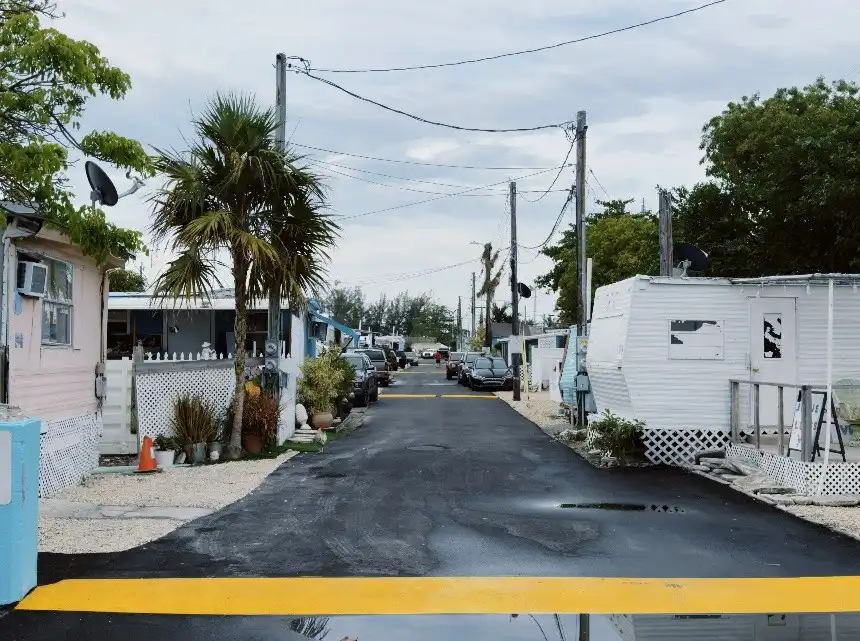
Manufactured homes a factory-produced and trucked to the home sites. Existing U.S. standards say they must be mounted on a steel chassis. Not anymore.
The new law’s relaxed provisions mean factories will get a lot more leeway in the designs they use. Now, manufactured homes can be produced for thousands of dollars less.
Make no mistake. There’s something for Wall Street here, too. Cavco and other major manufactured home companies are publicly listed on the stock market.
There are always winners and losers when Congress enacts a major federal law. And this one will certainly create wins and losses for businesses. The main thing is whether it puts deeds in more hands. Let’s take a look.
Meeting People Where They Are? This Is What We Like to See
Finally, people will have meaningful access to small loans for modest homes. The 21st Century Road to Housing Act relaxes the rules that keep banks from issuing mortgages under $100,000. This will especially boost deed seekers in rural areas, where lower priced homes are more commonly found. Well done, Congress. We at Deeds.com have been calling for this to happen for a long time. More deeds accessible to more people: that’s a good thing.
The new law also offers federal grants for new construction of affordable housing. And it supports infrastructure improvements that support the building of housing. And it provides for assistance to local areas hit hard by disasters.
Here’s another provision that’ll help people where they are: the grants that local communities can access for the renovation of existing homes in need of repair. This is generally a faster way to make homes available than building new ones. It’s usually easier on the environment, too.
Representative French Hill is a Republican from Arkansas who chairs the Financial Services Committee. Hill summed things up for The New York Times: “This bill brings new money to the table to encourage development.”
What Now?
We know this law can’t fix deeply the rooted housing affordability crisis overnight. But it will move housing in the right direction. And what a relief that this whole lawmaking process didn’t fall apart in the seemingly endless fighting over spending and particular provisions.
“It has not been easy,” Representative Maxine Waters of California told The New York Times. Waters is the top Democrat on the Financial Services Committee.
But at the end of a very rocky road that appeared to be headed for a dead end, a truly substantial law has arrived.
“We got it done.”
Yes, they did. That was yesterday. On the very next day, the Act would fail to get a presidential signing. We’re so sorry to inform our readers that the efforts our tax money paid for has been sabotaged. We dearly hope to inform you about the delayed signing of this law… soon.
Supporting References
Kaia Hubbard, Kathryn Watson, Caitlin Yilek, and Mary Cunningham for CNB News: Trump Cancels Bipartisan Housing Bill Signing, Reiterates Demand for SAVE America Act (updated Jun. 24, 2026).
Ronda Kaysen for The New York Times: Congress Clears Housing Bill, Cementing a Rare Bipartisan Feat (Jun. 23, 2026; citing the Harvard University Joint Center for Housing Studies and other sources).
And as linked.
Read more from Deeds.com about: State-based support for manufactured homes
Photo credits: Diego Ramirez and Matheus Bertelli, via Pexels/Canva.