

Spoiler: Mortgage rates at the 6% level may be looking awfully good a few months from now.
The U.S.-Israeli war with Iran could “derail the crucial spring housing market as oil prices soar,” Realtor.com said as oil prices spiked above $100 a barrel.
The website, owned by the National Association of REALTORS®, has bluntly stated:
The U.S.-Israeli war with Iran threatens to derail the crucial spring housing market as oil prices soar, raising the specter of stagflation and rising mortgage rates.
It’s a major concern for the housing economy. The word “stagflation” is especially alarming. We’ll get to that in a minute.
More Showers Than Flowers for the Spring Market?
It’s spring, mortgage rates have eased, and we were headed into a potentially strong season of deed transfers. In February, the interest on home loans dipped down below 6%. Realtor.com reported that hopeful sellers were actually putting their homes on the market. Finally, sellers could feel OK about giving up their under-5% loans when they sold. Agents were ready for a strong spring season, and so were the lenders.
Well, until February 27. That’s the day war began, targeting Iran. Now, analysts worry that people will hang back to rework their budgets. The average mortgage interest rate is going up, reacting to the oil market. Recession fears are back.
When oil prices rise, so do the prices for many other things. Travel, groceries, anything that involves transportation, anything made of plastic. So many products are made with petroleum—not just fuel. Companies pass their higher costs to all of us.
Realtor.com® senior economist Jake Krimmel notes that this is the second time in two years that panic has struck housing and commercial markets. That’s a reference to the swollen tariff costs buyers are already paying.
The built-up frustration in the world of everyday people is hard to ignore. This will be the fourth year straight that the spring real estate market has suffered under economic shocks. There have been tariffs, shrinking worker pools, halted interest rate cuts. New wars are being started, and retaliation is already in full swing. Oil tankers have stalled in the Strait of Hormuz. International shipping routes have become toll routes.
As prices go up, so do the federal banking officials’ worries about more inflation. They don’t want to bring interest rates down during inflation, because low rates stimulate buying and can make price surges harder to control.
Market watchers had been hoping for perhaps two rate cuts before the end of 2026. Now, they expect no cuts at all. Some even expect a rate hike. In other words, mortgage rates at the 6% level may be looking awfully good in a few months’ time.
Still Higher Costs for Building and Renovation?
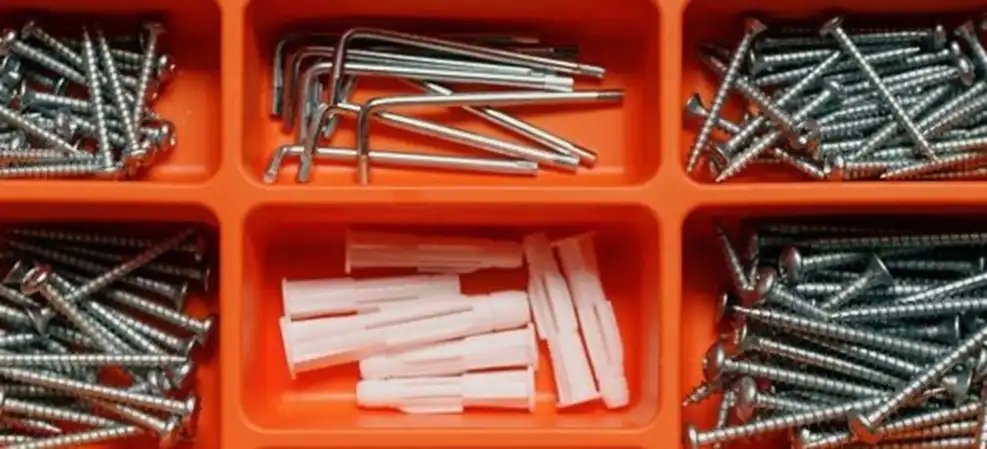
People are already feeling uncertainty about the costs of living and their (or their employers’) business costs. The last thing they want is home prices to rise further. A typical home is already valued well over $400K now. So it’s not a convenient time to see building material and labor costs rise.
Still, raw materials, tiles and flooring, furnishings and cabinets, electric equipment, paints and solvents are expenses to watch. And fuel costs increase the shipping rates for all of it.
As things stand now, workers for building and ground crews are in high demand and low supply. Traditionally, a third of the construction worker population is foreign-born. Current government policies are inhospitable to that third of the workforce.
Frustrated builders are asking the Trump administration to ease its harsh policies. As Politico described this scene earlier this year:
Construction executives have held multiple meetings over the last month with the White House and Congress to discuss how immigration busts on job sites and in communities are scaring away employees, making it more expensive to build homes in a market desperate for new supply.
As we’ve noted ever since the pandemic days, builders can’t sell homes that they can’t get materials to make, or find people to construct, so builders are producing smaller homes overall.
What Is Stagflation? What Would It Do to Home Buyers and Sellers?
Economists fear and loathe stagflation. It’s one of the worst economic situations a country can experience. Its two key traits are rising inflation and unemployment—both occurring at the same time.
The U.S. has fallen into a stagflation period before. It just so happens that the reason for it was an oil crisis. In the 1970s, when oil shipments stopped, prices surged. Next to arrive? A recession. The Federal Reserve can respond to a recession by hiking interest rates—and that’s what it did. This was a body blow to people already facing economic hardship. Mortgage rates soared. So did the jobless rate. You can imagine the effects on hopeful home buyers and sellers. Could it happen again?
We could head into stagflation trouble if:
- Inflation keeps rising. This is likely as long as military actions continue. Anything that causes threats to Middle East oil shipments is going to keep the global costs of oil and gas high. And that could tank (no pun intended) the U.S. economy.
- Unemployment keeps rising. The job market suffers when employers are dealing with economic slowdowns. And when unemployment is high, fewer people can make large purchases. Holding a deed and a mortgage becomes harder for many.
If stagflation becomes a real issue, the Federal Reserve will be stuck in a very difficult position. Banking officials expect to hike interest rates to deal with inflation, and drop rates to support job creation. When it faces inflation at the same time as a job crisis, there is no soothing action the Fed can take.
Keep Calm and Carry On?
What a difference a month makes. Price shocks related to military action are just more proof that finding perfect timing in the housing market isn’t straightforward. Even in the spring. Even when all the signs for a better housing market were right there.
If military action can grind to a halt, we could still see a real estate rebound this spring. But if it drags on, we can expect very painful prices for oil, gas, electricity, and just about everything else. The ripple effects are already in play. And we’re already seeing mortgage loans get more expensive. We’ll continue to update our readers as this story unfolds.
Supporting References
Matthew Benjamin for The Motley Fool: Here’s How the Middle East War Could Impact Your Mortgage Rate (Mar. 16, 2026).
Keith Griffith for the National Association of REALTORS® via Realtor.com: Stagflation Fears Threaten Spring Housing Market as Oil Hits $100 a Barrel (Mar. 9, 2026).
Dave Gallagher for Real Estate News: By the Numbers – How Will the War in Iran Impact the U.S. Housing Market? (Mar. 3, 2026; citing rate figures from Mortgage News Daily and other sources).
Myah Ward and Megan Messerly for Politico:“South Texas Will Never Be Red Again”—Home Builders Warn GOP Over Trump’s immigration Raids (Feb. 14, 2026).
Deeds.com: Inflation and the Rising Cost of Building a House (Jul. 20, 2022).
And as linked.
Related news: More deed holders are slipping under water, Unbearable housing costs
Photo credits: Srattha Nualsate and Ksenia Chernaya, via Pexels/Canva.