
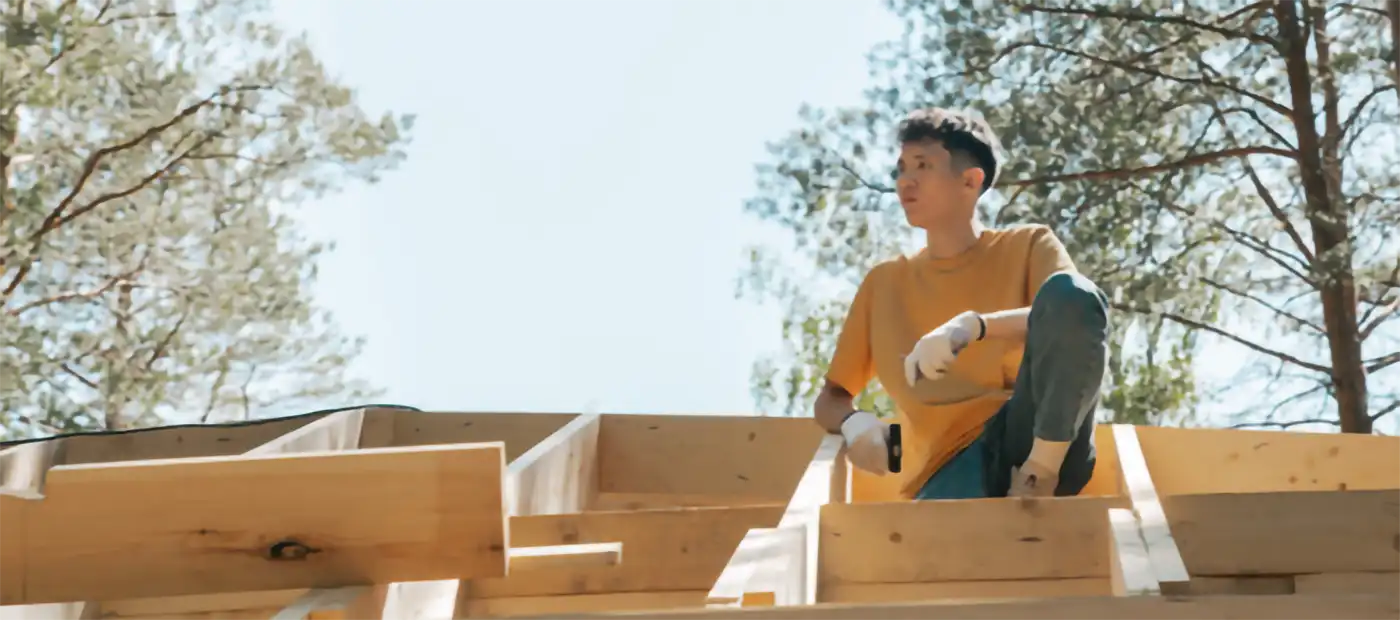
An accessory dwelling unit (ADU) is an additional and complete living space on a deed holder’s property. With an ADU, a deed holder can provide a home for an additional person or people.
Some of these projects are quite elaborate. And they take a good deal of planning. A real estate agent recently spoke with Business Insider about the unexpected twists and turns. The observations are worth sharing with anyone who might buy or own property where ADUs could be permitted.
As our readers know, ADUs are being permitted in many towns and cities now. Today, we check in on California and Maryland.
In California, a Real Estate Agent Gets Surprises, Shares Lessons
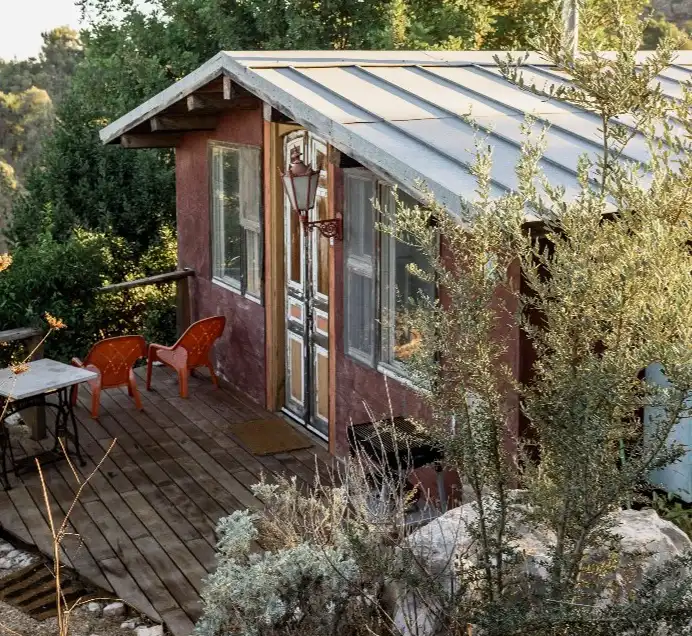
The agent bought a large property in the Coachella Valley specifically to build an ADU on it for her mother. And last year, the family began the building project for a 1,100-square-foot structure. How long would it take? Six weeks? That was the agent’s original prediction. In reality, it took months.
The agent seemed to take all the right steps—even hiring an architect to design the ADU and provide guidance through permitting and construction. Best laid plans. The architect became hard to get hold of. The agent would later interview ten different builders for the job. And mistakes made by that architect became hassles for the newly hired contractor.
The county required permits for every main component: electrical and plumbing systems, heating and air conditioning, roofing, and the solar panel system. The family went through multiple inspections. Due diligence on the solar companies and what they had to offer took lots of work.
Then came a serious snafu. The nearest electrical transformer was overworked. It lacked the capacity to connect a new unit. Construction of a new connection was necessary. Next thing the agent knew, her own driveway and those of two adjacent homes would need to be dug up. The neighbors put up with this. But of course, things started getting very uncomfortable and very expensive.
The agent budgeted more than a half-million dollars for the whole project, including $100K for cash reserves—just in case. Well, the case happened!
The agent now recommends vetting the experts thoroughly in advance. They really need to be on their game to understand the local limitations of a property.
In the end, did she regret the project? Nope. The ADU will keep the family together, and that was the original goal.
Garden suites, granny flats, in-law suites, backyard cottages, English basements… When these units are self-sufficient spaces, they’re all examples of ADUs: accessory dwelling units.
California’s Still an ADU Leader, But for Affordability, People Need Financing
California’s permitting officials have approved more ADUs year by year. Official records show at least 32,000 of these extra units went up last year in the state. To get an idea of how the ADU movement has accelerated, consider this. Per the same state records, just 9,000 deed holders received permission to build accessory dwelling units in the year 2018.
One question that keeps coming up? How these projects are financed.
One company sensing an opportunity is BOXABL. It produces prefab ADUs. Its signature Casita is a studio home, 361 square feet, with a full bath, kitchen, and utilities. The company says a Casita can be put up for a deed holder within an hour.
Most people pay for their ADU projects by refinancing their current homes. If they have enough in savings, they might use that. BOXABL just announced it’s planning to get involved in a joint venture for lending and to be ready to lend in 2027.
If this works out, it could highlight opportunities for more Californians to join the ADU-owning population. It’s an upgrade many homeowners would like to make, if only they can make the money issue work.
A real estate agent or appraiser can tell you how much added property value you’d get for building an ADU. Per Freddie Mac, some ADUs increase the main property’s value by 35%.
Frederick, Maryland: County Council Eases ADU Rules. Your Move, State Lawmakers
Leaders in Frederick, Maryland, have heard you! Maryland deed holders want the option to build ADUs. People want options for intergenerational living. Some have adult children with disabilities and want to be able to create suitable units. But their current local rules just don’t allow for it in practical terms.
So, in late October, the council acted. Members unanimously agreed to ease regulations for ADU building. Their new ordinance:
- Ups the square footage of an allowed ADU from 1,000 to 1,300 (as long as it’s no more than half of the main home’s total square footage).
- Allows larger ADUs, too—but with an additional review.
- Makes the current rule about adding a parking space optional.
As with the old rules, the deed holder must live on the property, and vacation rentals are barred.
Recent changes are only the beginning. Maryland requires separate water and septic systems for ADUs. So, they’re almost impossible for residents to build. The county must now work with the Maryland Assembly to change state law.
I’m a Deed Holder. Can I Decide I Want an ADU on My Property?
First thing to do is find out if your county government permits ADUs. If so, the answer could be yes.
Then you’ll need to apply for a permit. Once you’ve done all the research and have your project plans laid out, you or the builder will get the application form published by your county or town. Complete the form, submit it, and then wait for approval.
Local zoning standards tell you the square footage and height allowed for your ADU, and which way the entry has to point. Expect a required setback from your property’s boundary.
Your local officials issue a Declaration of Restrictive Covenants for a permitted ADU. Restrictive covenants impact the homeowner’s deed. They are public documents. They show the presence of a second unit on the residential property. If you decide to transfer your property deed (through a sale or by a bequest), the property’s future owner must accept the ADU covenant right along with the deed.
Important note to our readers: This is news and discussion, not individualized guidance. This article is not legal, financial, investment, or tax advice. Consult licensed financial and building advisers before making ADU plans.
Deeds.com does not endorse any entity named in this article, nor are we affiliated with any such entity.
Supporting References
Erik Anderson for The Frederick News-Post, via NewsPost.com: County Council Passes Easier Rules for Accessory Dwelling Units (Oct. 21, 2026).
Alcynna Lloyd for Business Insider (from Insider Inc.), via Insider.com: I’m a Real Estate Agent Building a $480,000 Backyard Home for My Mom. I Still Made These Costly Mistakes (Oct. 17, 2026).
GlobeNewswire: California ADU Permits Are Up Sharply Since 2018, But Owners Report Financing Hurdles (distributed Nov. 11, 2026 by Wall Street Investor via WSI.News, based on corporate announcements from BOXABL Inc. dated Nov. 10, 2026 and Aug. 13, 2026, and other sources).
Deeds.com: Is the Backyard Cottage Written Into the Deed, or Recorded Separately? (Feb. 21, 2025).
And as linked.
Read more from Deeds.com about: Helping a relative age in place.
Photo credit: Ron Lach and Ksenia Chernaya, via Pexels/Canva.