
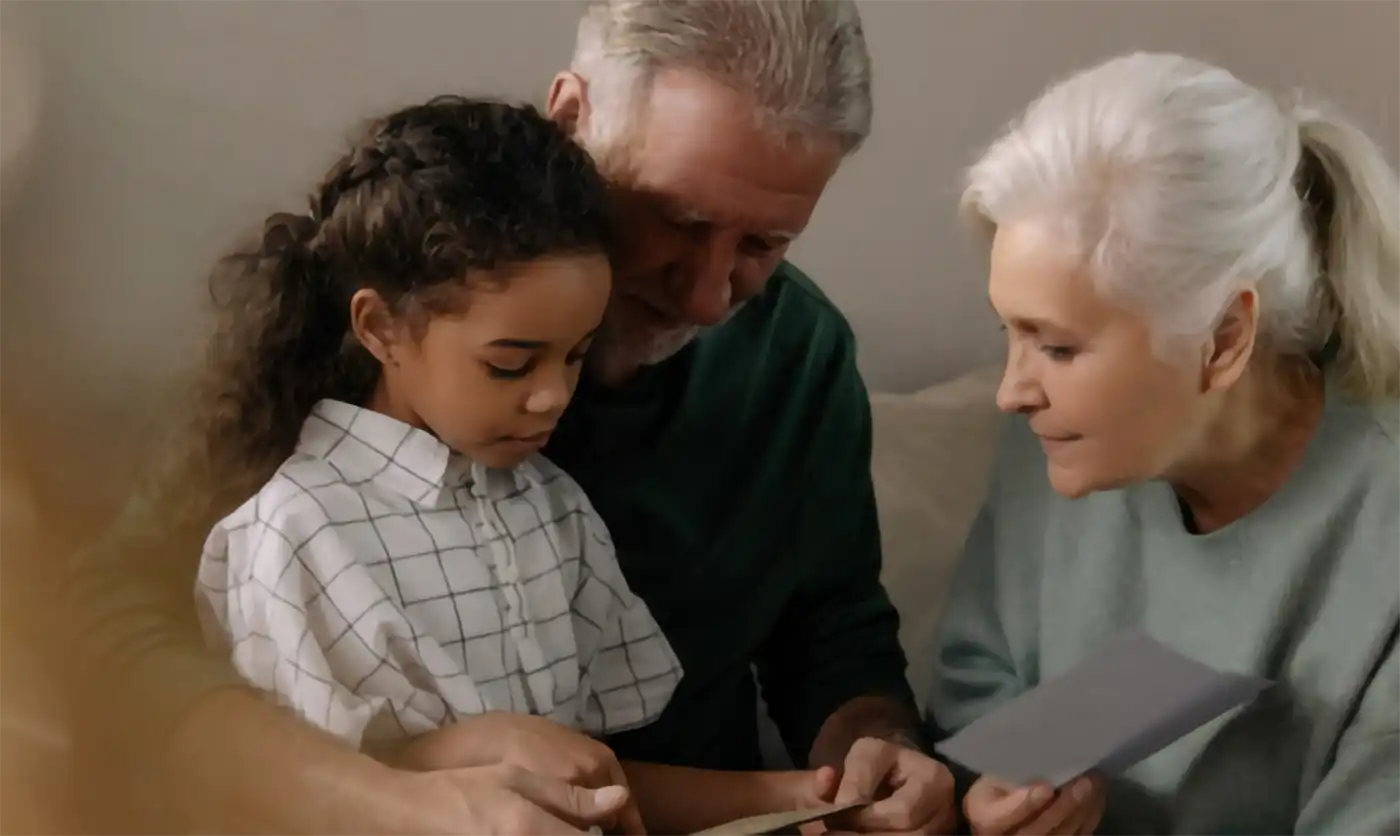
Older adults are poised to pass along roughly $19 trillion in home equity over the next two decades. But the wealth is unevenly held. Many seniors struggle to preserve the equity they have. And even if they can, will their heirs be able to do the same?
More than a fourth of homeowners aged 65+ use up more than 30% of their income paying for housing and utilities. That makes them overburdened. (Cost-burdened households are those paying more than 30% of their income for housing.) Many have paid off their mortgages, but there are other costs in play, and those costs are rising, says economist Joel Berner at Realtor.com®:
- Property taxes across the country are up 30%+ since pre-pandemic years.
- The price of heating and cooling a home has gone up about 30% in roughly the same time period.
- Average monthly homeowners insurance payments soared even more: they’re up 72%. They’re especially high wherever climate is a big factor—mainly warmer areas, where older adults prefer to live.
There are other factors, too. There’s a shortage of construction workers and rising tariffs on goods. The cost of improvements and repairs reflects these realities. This doesn’t even get into the cost of accessibility modifications or assisted living. All told, homeownership expenses have surged since the pandemic hit, and senior deed holders haven’t been spared.
Many Seniors Refinanced as Rates Dropped—And Never Sold
The rising costs of homeownership would, in normal times, naturally prompt seniors to downsize. They could sell now, of course. Why don’t they?
The fact is, many seniors got attractive mortgage rates when they could, and they’ve held onto their low-rate loans. Now, real estate has appreciated in value so much that some older adults fear large tax bills if they sell. Today, more than 13 million deed holders have amassed equity gains exceeding the IRS capital gains tax exclusion, the National Association of REALTORS® points out.
Plus, it’s well known that seniors don’t always get fair value for their homes when they go to sell. If they lose part of their equity by selling, it can hurt them and their heirs. Some older adults might just keep their homes for life—as a store of value for their heirs.
For younger adults, inheritances could be lifesavers. Most young renters cannot acquire deeds on their own. The full cost of owning the median-priced home has passed $3K a month. Clearly, a home buyer needs to earn a six-figure income to buy such a home, and most young adults simply don’t pull in that much money.
At the same time, the combination of automation and robotics in industry and federal policy leading to cuts in formerly secure jobs is putting younger generations in a pickle. Educators of today’s young adults can’t really tell them how to prepare for the unprecedented social, technological, and economic changes now underway.
Heirs to real estate do get a tax advantage known as the stepped-up cost basis. This spares them from the risk of having to pay taxes on the appreciation that the deceased person had accrued over the years. And yet, while inheriting may be tax-advantaged, it comes with the costs of homeownership. Selling the home can require large investments for the renovations an experienced agent will almost surely recommend.
An inherited home isn’t free. Taxes, insurance, and mortgage payments are typically due before a home even gets out of probate. A transfer on death deed can speed up the ownership transfer, but a debt-heavy home may still get tied up with creditor claims.
Older Adults Are Tapping Their Equity; Heirs Could Be Left Holding Reverse Mortgage Bags
Older deed holders are not necessarily able to pass their home equity along to loved ones or charities. Most people owe money as they approach retirement—and the largest balances are in mortgage debt, according to the Federal Reserve’s Survey of Consumer Finances (SCF).
Financial advisers may suggest that they take out second mortgages to handle the rising cost of aging in place. Reverse mortgages are a top pick for retirees. They produce a stream of funds, released month by month. The senior must keep up with home maintenance, taxes, utilities, HOA fees (if applicable), and insurance. But this way, they have some cash to spend. They can stay in the home for life.
But their heirs will pick up the tab if the loan cannot be repaid. This means not all heirs will actually see the benefits of a “great wealth transfer”—and some will be permanently locked out of traditional mortgage eligibility.
To help loved ones, plan ahead and let heirs know what they can realistically count on.
Seniors, check for local property tax breaks, exemptions, and freezes. Keep more of your home equity.
Supporting References
Harvard University, Joint Center for Housing Studies (JCHS): State of the Nation’s Housing (2026); see also Cost Burdens High Nationwide(map; 2026).
Allaire Conte for Realtor.com (published by the National Association of REALTORS® and Move, Inc.): Older Homeowners Hold Record Equity but Rising Bills Could Leave Less for Their Heirs (Jun. 23, 2026).
Medora Lee for USA TODAY via USAToday.com: Buying a Home Feels Unaffordable. But So Is Owning One, Seniors Find (May 28, 2026; updated May 31, 2026).
Trina Paul for Investopedia (People Inc.): Why Inheriting a Home in the Great Wealth Transfer May Not Mean Financial Security (Jul. 4, 2026; citing Cerulli Associates on wealth transfer figures).
And as linked.
Photo credit: Cottonbro Studio, via Pexels/Canva.