
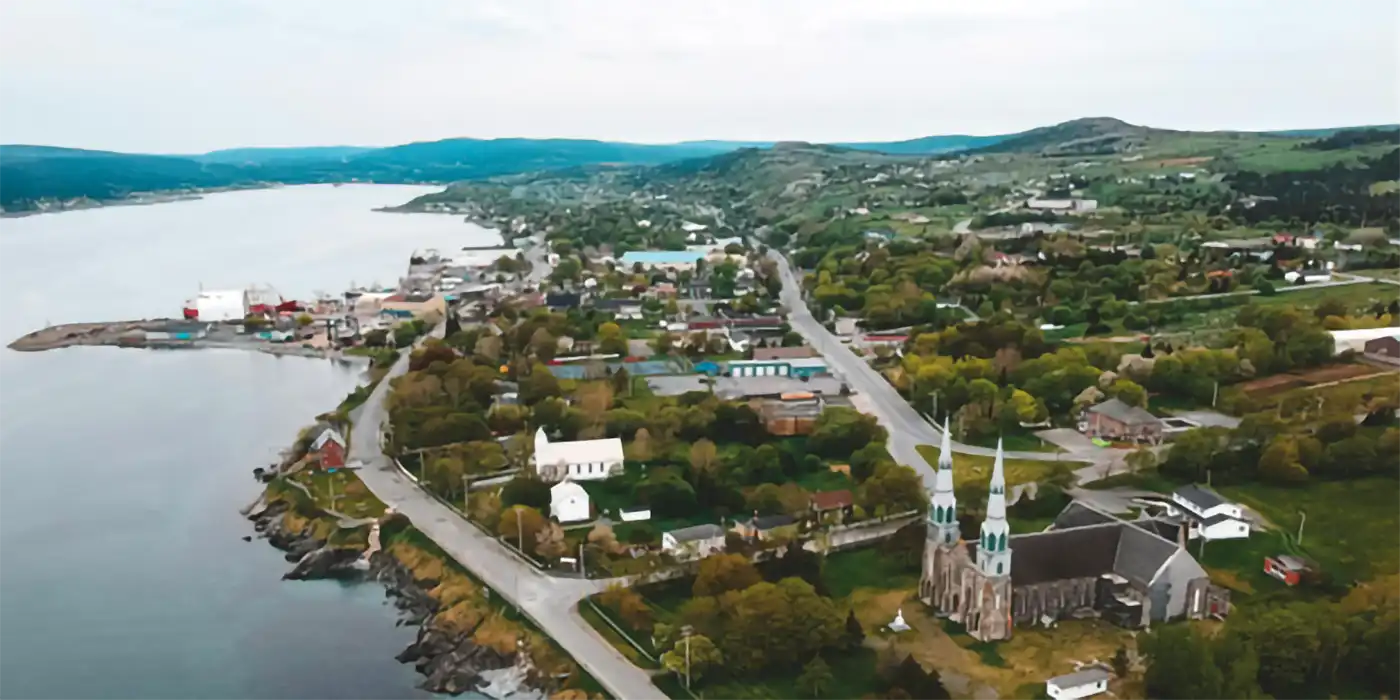
Allentown, Pennsylvania, and nearby towns along the Lehigh River are in the heart of the Rust Belt. You might think of shut-down factories, declining towns, and young people moving out of the area to find work. Could the Lehigh Valley now be slated for a rebound?
Young people would remain in Allentown, Bethlehem, and Easton, if:
- Many more homes would show up on the market, including accessibly priced homes.
- Jobs could be revived.
First, let’s consider the homes for sale. The Lehigh Valley is undersupplied, to say the least. As soon as homes are listed, they fly off the shelves. In fact, a “severe” shortage of homes is named as a key reason people may find things too pricey in Allentown.
To be fair, Allentown’s on it. City leaders and the planning commission are greenlighting hundreds of new apartments. This will prompt more listings of homes for sale. It’s all about supply and demand. Apartments add to the housing supply overall.
Today, most deed seekers must expect to pay between 350 and 400K for that all-important document. It feels like prices won’t be going down any time soon. But if supply could meet demand, home prices could start to ease.
So, What’s Changing? (And Why Not Everything Is)
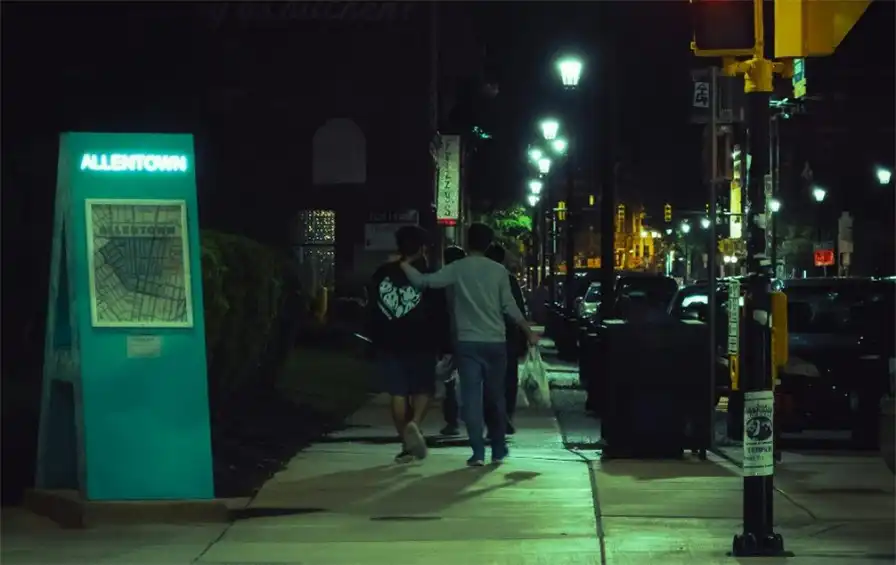
An old parking area is getting a new purpose in downtown Easton. Several complexes have sprouted up on the site. They include shops, restaurants, and hundreds of apartments.
There’s a theme running through all this sprucing up. It has to do with reclaiming the materials and the look of the area’s steelmaking heyday.
It’s happening in Allentown too, of course. Here comes a large waterfront commercial complex, with multiple buildings, on Allentown land once kept in use by the steel industry. The steel factory closed in 1992.
Developer Jaindl Enterprises is putting in residential and commercial buildings. There’s a riverside walkway for runners, boaters, and everyone else. The aesthetic of the development has a history buff’s mentality, which is going to lend itself to Allentown’s uniqueness.
Zachary Jaindl of Jaindl Enterprises says the former infrastructure (even those massive old furnaces) actually works well for repurposing projects.
Then there’s the new festival and exhibit space. Behind it is a Pennsylvania 501c(3) nonprofit devoted to blending arts and culture.
Also responsible for this flurry of construction is a group we mentioned above: the Allentown Planning Commission. The planners reported to city leaders that proposals have flowed in remarkable numbers lately, with plans enclosed for well over a thousand homes plus commercial and cultural additions.
So, who is keen to spot an up-and-coming area before prices catch up to some of the most expensive U.S. markets? What’s being funded and reported looks clear because there’s messaging at work here. Central Pennsylvania has a lot going for it, area officials want the public to see. Forward-looking housing patterns. A new generation of ready workers. Oh, and yes. It’s getting ready for more.
Eyes on Eli Lilly
Drugmaker Eli Lilly is next to arrive within the coming few years. The concept involves a $3.5 billion manufacturing site. It’s heralded as bringing billions of dollars’ worth of value to the region. And it’s slated to have several hundred workers when it’s operational. It also involves many hundreds of construction jobs before that.
The company has high-paying jobs. That will draw more buyers. The company is even getting preferential tax treatment to set up shop. (But keep reading down through the next section. You’ll see that the everyday homeowner will effectively pick up the tab for said treatment.)
Meanwhile, Pennsylvania is taking state money and turning it into funding for industrial development and a new hotel in the Lehigh Valley. Grants pay for the necessary infrastructure. The Pennsylvania government has agreed to give Lilly alone $25 million. Governor Josh Shapiro has talked up the grants, saying they’ll fund bustling job sites and ultimately draw more interest from companies in other places. Shapiro sees the economic growth of Pennsylvania in multi-purpose projects like this.
Take Note: Allentown’s Tax News
There’s a 2.5% total tax rate, which started in January 2026. If you hold a deed to a home in Allentown, or plan to receive one, this matters to you directly. If you’re a buyer, show this to the real estate agent who’s negotiating for you.
OK, we hear you say. Who wants to hear about taxes to be reported next year right now? You’ve got a point. Unless you’re interested in the finer details you can skip this part.
At the start of 2026, by ordinance, Allentown hiked up what it charges through the local Realty Transfer Tax. The Realty Transfer Tax for a deed holder living in Allentown had been 2%. That blended the 1% Pennsylvania tax and the 1% Allentown tax. This year, Allentown upped its total by a half-percent. And Pennsylvania’s percentage has stayed at 1%. So the grand total equals a deed transfer tax of 2.5%.
The recording office will charge the filer who shows up to record a deed transfer. The office will calculate this fee whenever a party submits a legal instrument for recording.
Lehigh Valley Housing Trend Is Already Underway.
It’s important to say that some of the new-development projects are still future prospects, and not yet existing opportunities. Meanwhile, there’s still a serious housing shortage, even though more people are beginning to list homes on the market. According to the Lehigh Valley Planning Commission, the Lehigh River area could currently use some 9,000 units.
For-sale homes are being bid up and sold pretty fast. This frustrates a lot of prospective buyers. Every month that passes is time they could have begun to build home equity.
There’s no clear sign of prices backing off. Supply is still tight, demand is growing, and new jobs are on the way. That combination rarely leads to lower prices. Buyers looking to “catch the trend” may already be in it—and waiting could cost more than acting.
The Lehigh Valley planners seem poised to set an example for cities with manufacturing pasts to follow. Let’s watch.
Supporting References
Paul Muschick for the Lehigh Valley Economic Development Corporation (Bethlehem, Pennsylvania) via LehighValley.org: Lehigh Valley Secures $1M in State Grants to Prepare Sites for Future Jobs (press release dated Mar. 3, 2026).
Mayor’s Office, City of Allentown, Pennsylvania via AllentownPA.gov: Realty Transfer Tax Increase To Go Into Effect January 1, 2026 (press release dated Dec. 23, 2025).
Jason Addy for WLVR /LehighValleyNews.com (digital news from Lehigh Valley Public Media): Allentown Housing, Commercial Development Plans Grew Significantly in 2025, Report Says (Feb. 12, 2026).
Bo Koltnow for the Lehigh Valley Newsroom, WFMZ-TV 69 News: Eli Lilly Expansion Poised to Reshape Lehigh Valley Housing Market (published by Maranatha Broadcasting Company Inc. on Feb. 10, 2026; updated Mar. 17, 2026).
Amy Unger for the Lehigh Valley Newsroom, WFMZ-TV 69 News: Lehigh Valley Housing Market Still Taxed by Lack of Inventory, Group Says (published by Maranatha Broadcasting Company Inc. on Dec. 16, 2025; summing up reporting from Greater Lehigh Valley REALTORS® and other sources).
Jeffrey Steele for Forbes Media LLC: Adaptive Reuse Is Transforming the Lehigh Valley Rustbelt (Feb. 18, 2026).
Realty Transfer Tax Increase To Go Into Effect January 1, 2026 (Mayor’s Office, City of Allentown’s public announcement of new ordinance changing the Realty Transfer Tax; announced Dec. 23, 2025).
And as linked.
Photo credits: Erik Mclean and Philip Borden, via Pexels/Canva.