

Manufactured homes are at the core of a growing policy trend. Pre-fabrication is a relatively cheap way to create homes, at just half the cost of site-built homes per square foot, according to the Manufactured Housing Institute. And current factory standards make them as strong, as safe, and as energy-wise as traditional houses.
Manufactured homes account for about one out of ten U.S. homes now being built annually. But in some states, the number is quite a bit higher—on purpose. The states are doing what’s possible to get badly needed homes to their residents.
States Investing in Manufactured Homes Right Now
A company called Construction Coverage broke down census figures, and found specific states making big bets on manufactured housing. The top three are Mississippi, Kentucky, and Louisiana.
- In Mississippi, more than a third of all homes being created are manufactured homes. They sell for an average of $122K—versus $186K on average for single-unit homes in general.
- In Kentucky, 32% of all homes being created are manufactured homes. On average, they sell for $112K—about half of the average for all single-unit homes.
- And in Louisiana as well, 32% of all homes being created are manufactured homes. On average, they sell for $98,900—less than half of a regular house.
In a few more states, the percentage of manufactured homes is running higher than 10% of all homes currently being created. One is New Mexico, where it’s one in every five homes now. Others are: West Virginia, Alabama, Oklahoma, North Dakota, Michigan, Wyoming, Arkansas, Maine, New York, Missouri, and South Carolina.
What About Home Loans for Manufactured Homes?
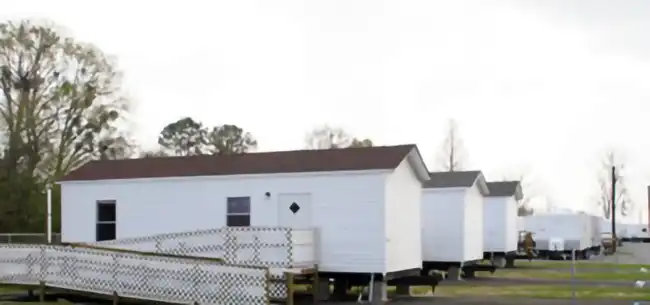
Homes titled as real estate can have mortgages—and about half of them do. It’s the lowest-cost financing option out there. A buyer can use a mortgage for a home affixed to a permanent foundation—land to which they hold the deed.
But many states title all new manufactured homes as personal property. These titles are registered through the state motor vehicles department—not the recorder of home deeds.
And just like cars, homes that are personal property may not have mortgages. They’re funded with personal property loans. These “home-only” loans aren’t government-backed, and their interest rates can run higher than mortgage rates (often about three percentage points higher). Plus, home-only loans don’t come with the 30-year term that’s available in the mortgage world.
It’s Time for States to Step Up, and Cut the Red Tape
A homeowner who wants to switch a manufactured home’s titling into a property deed will face a good deal of red tape. What’s more, their state could tell them that they need to be sure the home is debt-free before they make the change. No wonder so many home buyers avoid titling their manufactured homes as real estate even where it’s possible.
A few states that do have sensible regulations include:
- New Hampshire. It’s the one state where manufactured homes can have mortgages, whether or not the buyers are getting the land. These buyers are saving tens of thousands of dollars over time, simply because of their state’s law.
- Maine. The state is now considering a proposed law change. If enacted, it will make a straightforward way for a manufactured home title to be converted into a real estate deed. This in turn provides access to mortgage loans.
- Washington State. Washington has adjusted its laws to let buyers in resident-owned developments deed their manufactured homes as real estate.
- New York. The state now lets manufactured home buyers deed their homes as real estate, as long as a home is installed on a permanent foundation, with the land deed holder’s permission. The law sets forth a specific process for turning in a certificate of title, and converting it to a deed.
Why don’t more states do these things? They’re good moves to help homeowners. In the words of the Pew Charitable Trusts: “Updates to real estate titling laws could reduce costs and complexities for borrowers.” That directly improves a state’s capacity to help manage the nation’s current housing crisis.
Buy a Manufactured Home Safely: Checklist
If you decide to buy, keep your wits about you. Not long ago, a company was promising to send a mobile home to any site in Louisiana for $1,500. That low price sounds too good to be true, right? Right. Watch out for warning signs like that.
Some online marketers are using AI images of mobile homes. They might wrongfully associate themselves with the address of a real business that’s not their own. They dupe people into wiring them funds for mobile home purchases. Some have asked for thousands of dollars in return for homes that are “manufactured” from a software program!
Here are the main things:
- As with any major purchase, look out for seller misrepresentation.
- List your costs and fees as you carry out due diligence. What will you pay for warranties, property insurance, and repair plans?
- Do not sign blank documents. Keep copies of all documents and contracts you do sign.
- Read documents and ask questions before signing. If something is unclear, have someone else check over the paperwork before you sign off. Don’t allow yourself to be rushed.
- Make sure that the terms and conditions of the purchase contract match what was said in the sales pitch.
- When you take delivery, double-check that the price, model, year, and size of your home match what you agreed to purchase.
- Check for unanticipated fees or interest rates that don’t match earlier promises.
- Be sure you understand how the down payment works with the loan. A sales fee for the seller is not a down payment.
Be especially careful making deals if you can’t physically check out the home. Know who you’re dealing with. There are a number of helpful review sites where you can read about existing customers’ experiences with any active company. Buying into a housing community? Or buying a mobile home? Consider taking a good look at the customer reviews.
Attention, state policy makers! Make it easier for borrowers to choose their real estate titling. Cut the red tape for borrowers. We need manufactured homes and mobile homes to provide financially accessible housing for everyone.
Supporting References
Adam Staveski and Rachel Siegel for the Pew Charitable Trusts: Brief – States Hold the Keys to Greater Mortgage Access for Manufactured Home Buyers (Feb. 17, 2026; internal citations and credits omitted here). See also: One in Five Manufactured Home Borrowers Use Risky Contract Financing (2025).
Jonathan Jones for Construction Coverage, via MSN.com: These 15 States Are Investing the Most in Manufactured Homes (Sep. 25, 2025; based on Census Bureau data and Zillow’s Home Value Index).
Legal Aid of North Carolina: Housing – What to Look For When Buying a Manufactured Home (last reviewed and updated Aug. 7, 2017).
Deeds.com: Time to Make Financing a Manufactured Home Easier. Meanwhile, What a Difference Holding the Deed Makes! (Jun. 4, 2025).
And as linked.
More on topics: Colorado and California assist small businesses creating manufactured homes; Affordable housing
Photo credits: U.S. National Archives (from NARA; licensed as public domain); and Cullen328, via Wikimedia Commons, licensed under CC BY SA 4.0 Int’l.