

In the midwestern states, purchasing a home for under $100K is entirely possible. Some people do it as an investment. In a big-picture way, it can be a smart thing to do. A deed means land, and land has scarcity value. Meanwhile, a home can also produce an income stream.
That said, for every prince of a home, there are quite a few frogs. Here’s what to look out for.
Low-Cost Markets; High-Cost Upgrades
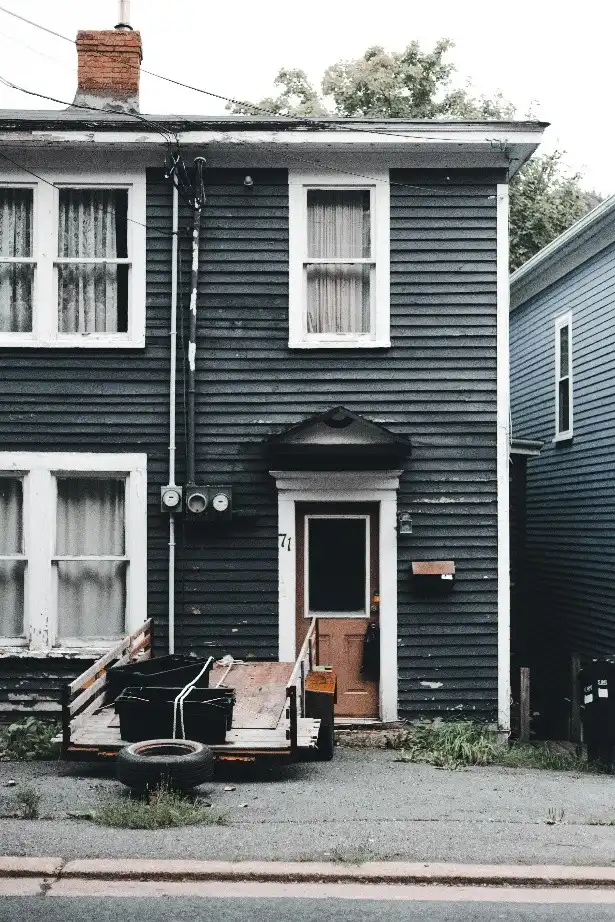
A potential buyer might look at a cheap home, calculate the monthly rental potential, and say: What’s not to like? A seller might be suggesting the same. With the U.S. housing supply as tight as it is, steady rental income could seem just about guaranteed.
Everything about a cheap real estate deal might look great on paper. But here’s what the buyer must consider before even thinking about signing a purchase agreement: fixed costs.
A well-built heating and air conditioning system and installation can be in the $10K region. That cost could easily take a year to recoup in a low-cost rental market. A setback of two or three years of profit is quite possible.
A roof replacement is also an expensive job. Getting the place insured may depend on replacing an old one.
Yes, workers are comparatively cheap in a low-cost area. But materials and shipping are pricey everywhere.
So, it would take many months of income to recover the costs of a residential roof in a low-cost rental market. Even replacing a water heater or fixing a leak diverts a good-sized amount from an investor’s cash flow. To understand the risk, ask yourself this question. Am I ready to set aside a third of this rental income to cover fixed costs?
Repair Costs: Handy Investors Have the Advantage
Are you willing to learn how to repair and replace the major systems in a residential building? The electrical wiring, heating and air conditioning, the ducts and the pipes?
If you’re handy, you can buy your own materials and tools and save big on repair costs. If you get into renovations yourself, you’ll need to deal with the local permitting process. If your rental property is connected with a homeowner’s association, you’ll need to register with the management and obtain permissions for any work you carry out.
There’s outdoor maintenance to be done on some of these properties, too. If the seller has let things go over the years, you’ll need to get on top of them. Unattended maintenance items become more costly the longer they’re left undone. Any continued neglect will chip away at the property value, making it hard to get a solid return when the time comes to sell.
Pick a street with no sidewalks, and you can save on snow removal. Pick a place where zoning allows for a backyard cottage, and you can produce more rental income. Pick a quiet neighborhood and work with an agent, and you could find renters who stay for years. But working with investment properties takes time, attention, and elbow grease. Being an investor-owner is not “passive” income; it’s a job in itself. You (or the manager you hire) will need to be an aware, active steward of the space you own.
Anticipating Turnover Costs: Run the Numbers
Renters move from time to time, and an investor-owner has to be prepared for the costs of refurbishing. Sometimes, finding new renters can take more time than anticipated.
It might sound obvious, but it needs to be said. Demand for residential space could be low in areas where properties are cheap. Moreover, renters are more likely to lean toward treating cheap properties with less care. So, repair calls become more common. And the building needs more work between renters.
To form a picture, look at the area in terms of numbers and data. You can run an internet search for a zip code or city along with “rental market data tool” to make rough calculations.
Low-cost areas generally bring the investor low monthly profit margins. This can turn just about any plumbing issue or vacancy into a notable setback.
Also, note the style of the property you’re considering and how this will impact your calculations. For instance, if there are multiple floors, problems (and repairs) can relate to the behavior of others, not just your own renters.
Read all about the art of screening potential renters on Deeds.com.
Insurance Matters: Behind Every Good Investment Property Is a Clear Title
You’ll need a title search before you can acquire a deed with confidence. You’ll want to pay for owner’s title insurance for your property at closing. This is essential! Cheap deeds can have complicated histories. Look out for any unresolved liens on the title. Liens can be recorded after a previous owner’s fixes, fees, court judgments, or unpaid taxes in the past. Liens cloud the title. If left unresolved, they’ll make it difficult to refinance or sell a property.
Also look for:
- The potential existence of an unrecorded or incorrectly written easement deed.
- Clouds on the title from former probate cases, uncontacted heirs, etc.
- Unpermitted repair or renovation work.
- Environmental issues in need of remediation.
The necessary cleanup and repair work can turn out to be extensive. Cheaper residential properties may be older. They might have been built near or atop industrial sites. Watch for tanks beneath the ground, particularly in low-density residential areas.
It may be worthwhile to order an assessment. That alone will take several thousand dollars to carry out. But avoiding it can make an owner responsible for environmental hazards.
Buying a “renovated” home? If the work was more than just cosmetic, get proof of permits. They’re required for significant construction work. The seller must disclose unpermitted work, or face legal liability. Caution! The local building department can always check a property and enforce permit requirements for previously unpermitted work.
Homeowner’s insurance won’t cover problems that violate laws or local ordinances.
Title insurance may be harder to get. Opting out of it could become the most costly mistake of all.
Will title insurance cover my issue? The answer to that question could turn on whether you purchase standard or extended title insurance.
Cheap Homes Can Still Be Expensive Investments
The profit margin on cheaper properties tends to be narrow, and the necessary work tends to be heavy. Sure, some investors have done remarkably well over the last decade or two, and they’ll point that out. But remember that the surge in property values over recent years will be an awfully hard act to follow.
Before you go, an important reminder. This material is here to provide general information, and to serve as a trouble-shooting aid. That is, it’s neither financial nor legal advice. Consult professionals and carry out due diligence that fits your financial profile, state law, and local market. Each local market, as well as each street and each individual property, has its own risks and benefits to weigh.
Supporting References
Deeds.com: Can Home Renovations Affect My Real Estate Title? (May 23, 2022).
And as linked.
More on topics: Cutting tax bills through 1031 exchanges, What to know about permitsfor construction work
Photo credits: Anastasia Shuraeva and Erik Mclean, via Pexels/Canva.